
Filter
-11%
New Flavor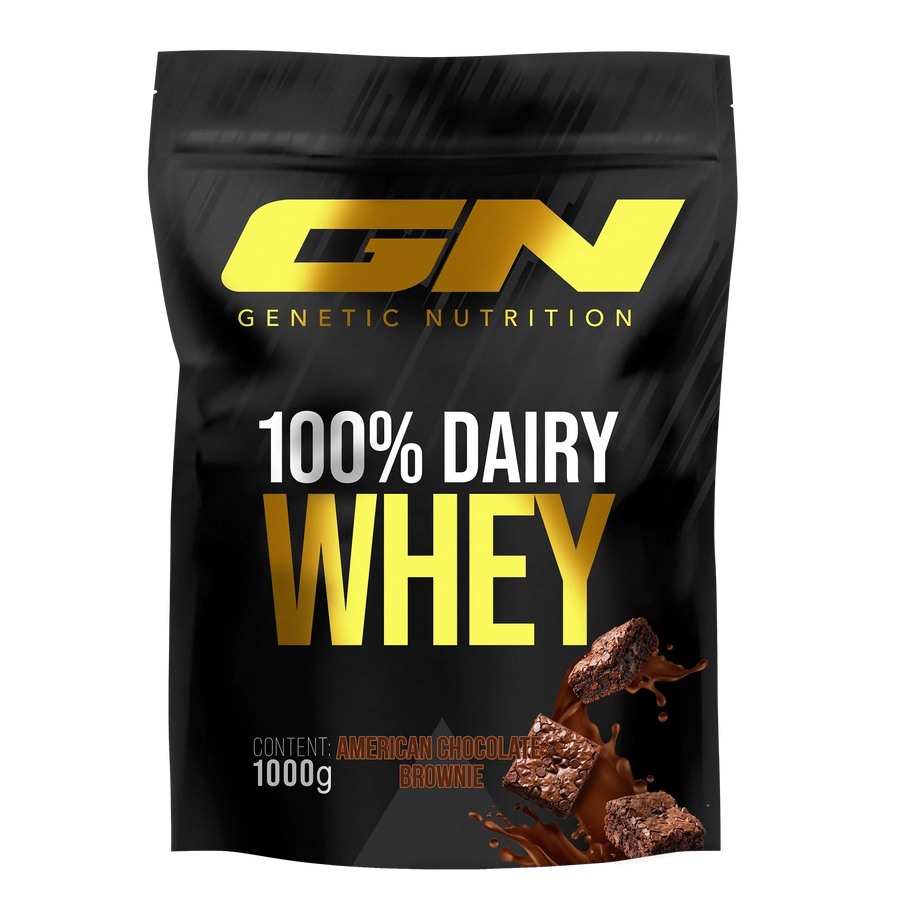
-11%
New Flavor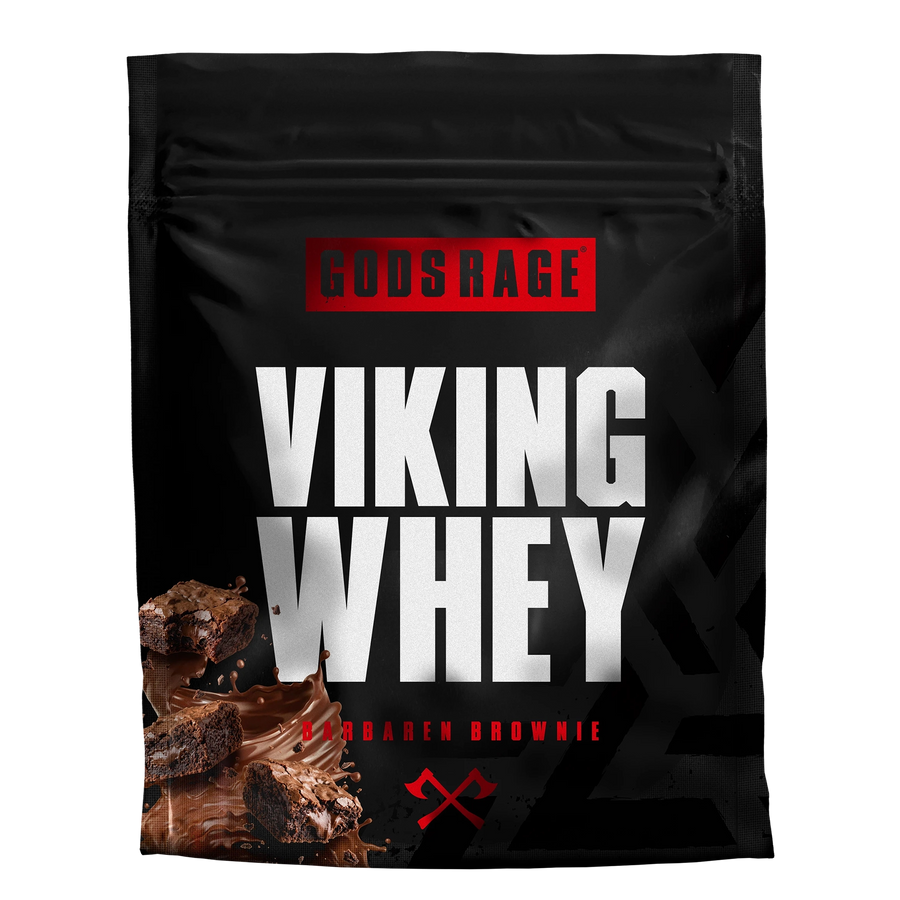
-11%
-11%
-11%
-11%
-11%
-11%
-11%
-11%
-11%
-11%
-11%
-11%
-11%
-11%
-11%
-11%


Whey protein is the protein from milk whey: the protein source with one of the highest biological values of all, and the most bought in strength sports. With us you get every form that makes a difference in training: from the classic concentrate to isolate to the clear isolate drink. Beginner or experienced athlete: here you will find the type that matches your training goal, and honest advice to go with it.
Whey protein comes from whey: the liquid part of milk left over during cheese making. From around 100 litres of milk, only a few kilograms of whey protein remain. It is filtered and dried into fine whey protein powder.
Its biological value is around 104 and therefore above whole egg, the classic reference value. Your body absorbs whey protein particularly fast, faster than most other protein sources. The amino acid profile shines with all essential amino acids and a high share of BCAAs: plenty of leucine, plus isoleucine and valine.
This makes whey protein one of the best researched protein sources in sports nutrition.
For most people, whey concentrate is the right choice, and our sales figures confirm it: around 4 out of 5 purchases in this category go to a concentrate. It combines protein content, taste and price best. The four types differ mainly in filtration, protein share and consistency, and exactly these differences decide what fits your goal: more protein per serving, less lactose or a lighter mouthfeel.
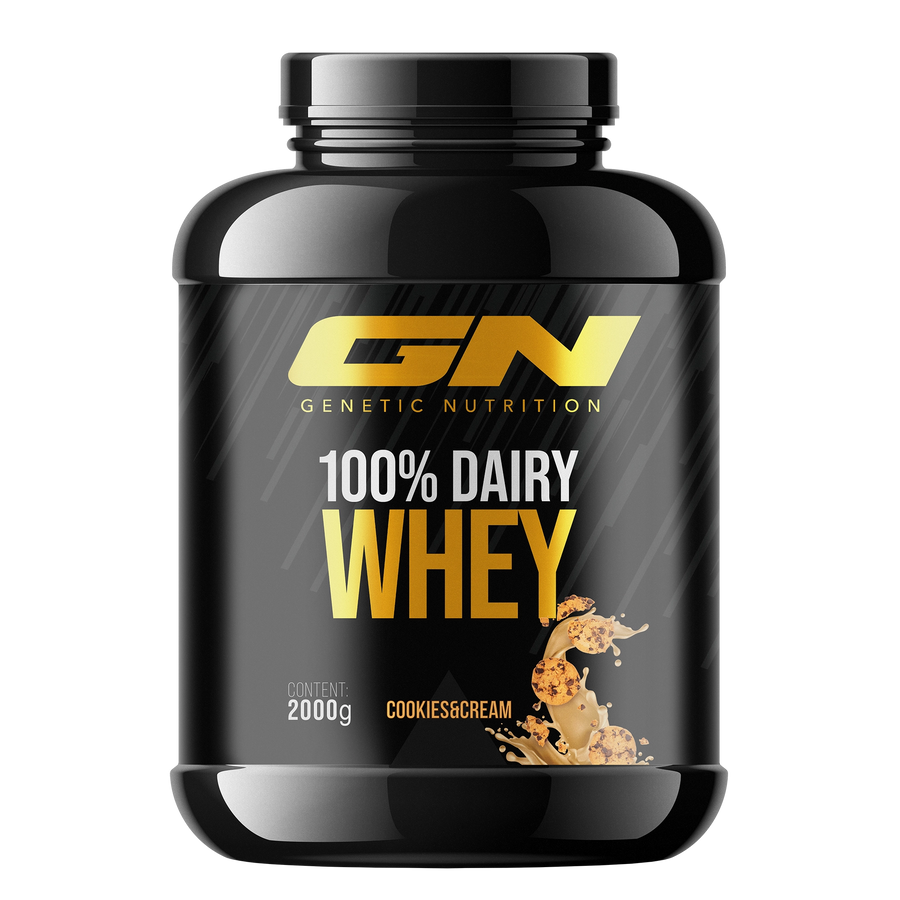
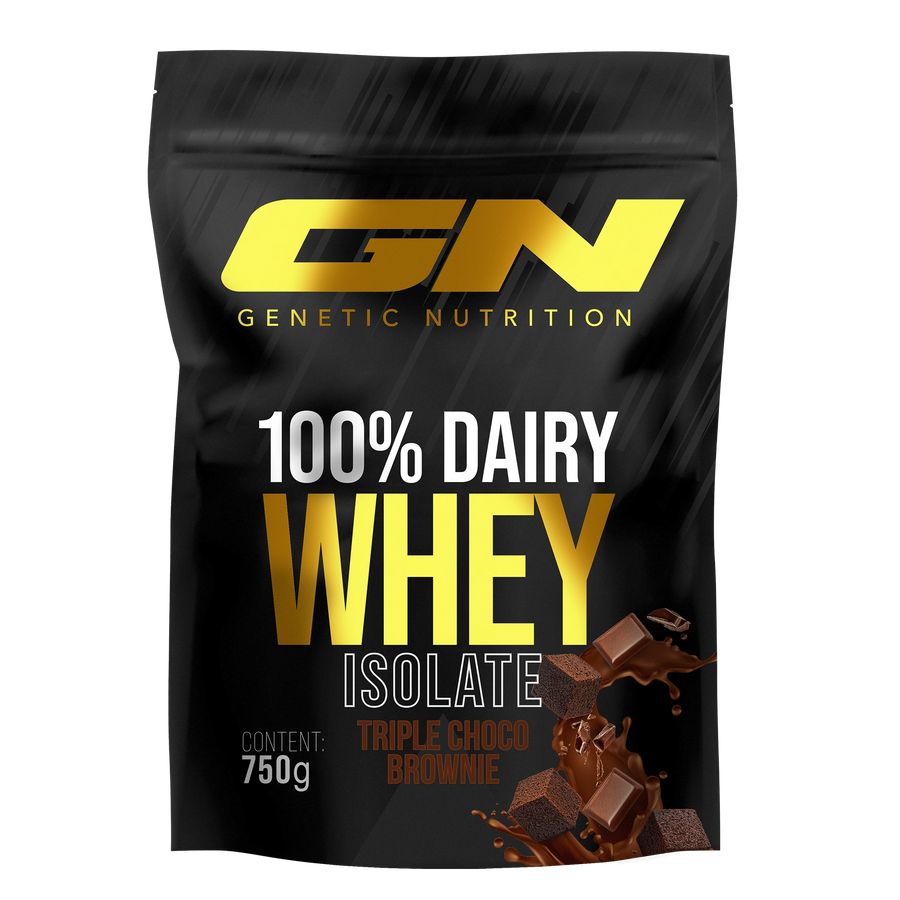
Whey concentrate contains roughly 70 to 80 % protein depending on the product. Thanks to its natural residual fat it tastes creamy and full. That makes it the all-rounder for everyone who drinks a shake every day and watches value for money. The classic of this kind with us: the 100% Dairy Whey from GN Laboratories.
Whey isolate is filtered more strongly than concentrate and has a clearly higher protein share, with hardly any fat and few carbohydrates. Our 100% Dairy Whey Isolate reaches 79 g of protein per 100 g this way. Naturally, only traces of lactose remain. That makes it the first choice during a diet and for everyone who does not tolerate milk sugar well. If you want both, use concentrate day to day and save the isolate for strict phases. All products of this kind are in the whey isolate collection.
In whey hydrolysate the protein is enzymatically pre-split, so the whey is particularly finely broken down. This variant is the most elaborate and most expensive, and honestly unnecessary for most: you will hardly notice the speed advantage in everyday life. That is why we do not carry it. If you like it particularly easy to digest, go for the isolate or the clear isolate drink.
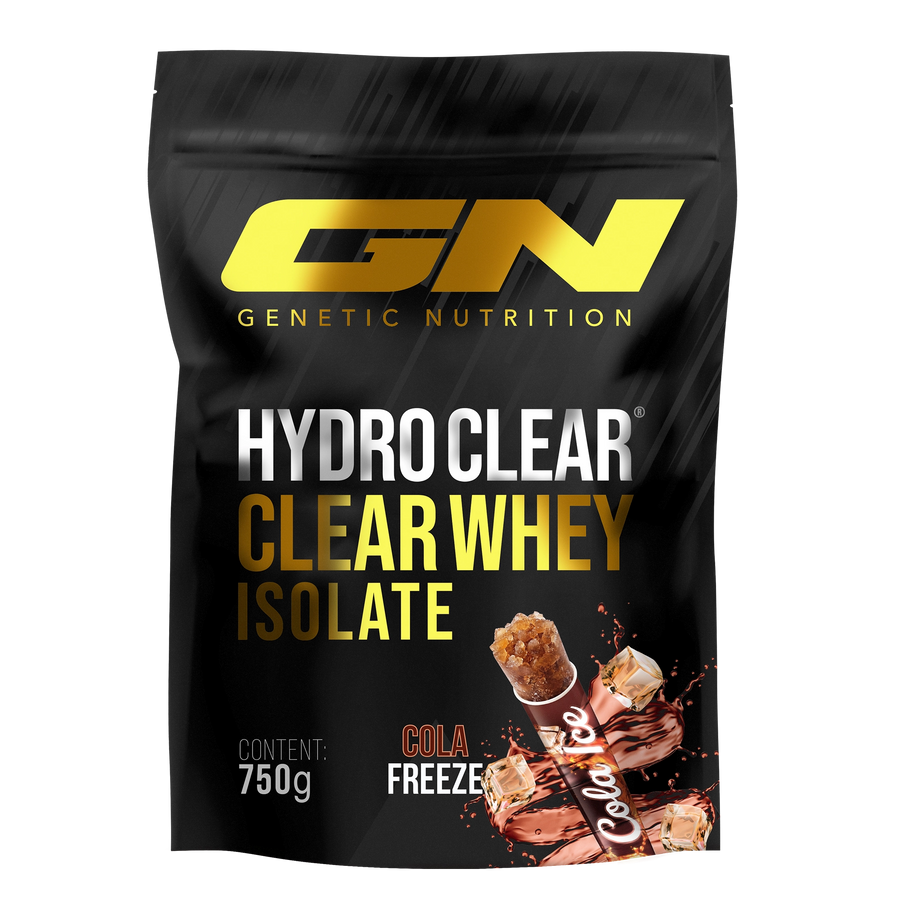
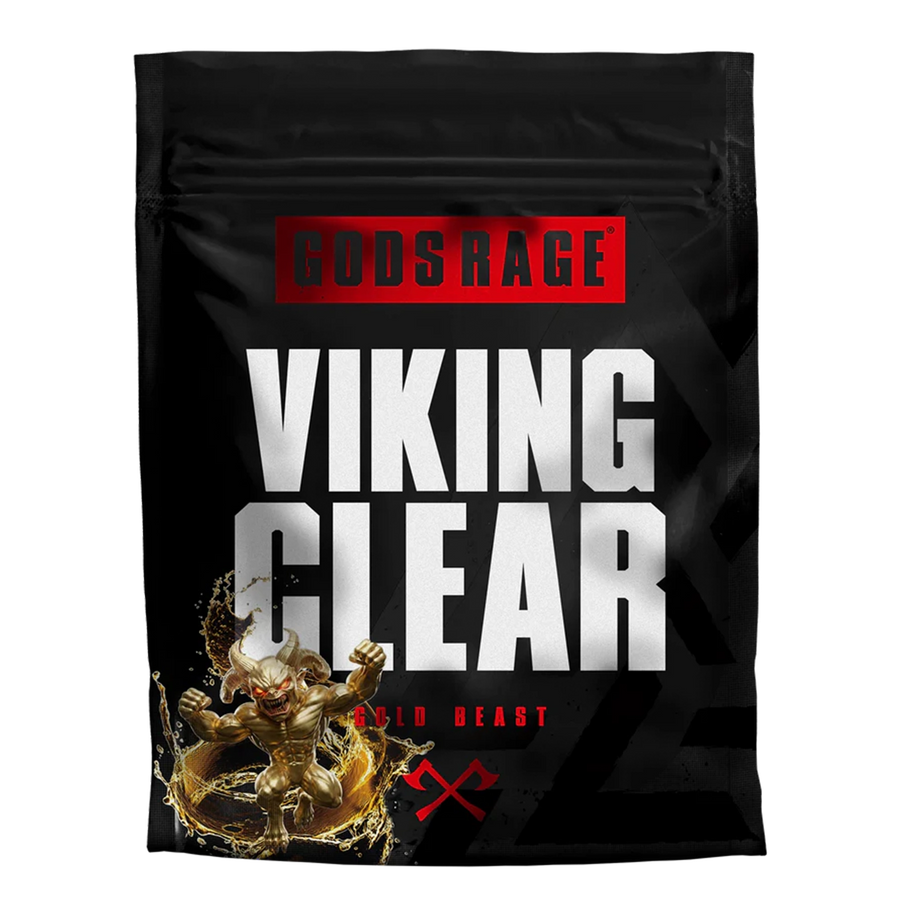
Clear whey is an isolate that dissolves clear in liquid and tastes fruity. On hot days it replaces the creamy shake with a light drink, for example with the Hydro Clear Whey Isolate. You will find all clear variants in the Clear Protein collection.
| Type | Protein share | Consistency | For whom |
| Whey concentrate | approx. 70 to 80 % | creamy | beginners and daily shakes |
| Whey protein isolate | approx. 79 to 90 % | light | dieting, less lactose wanted |
| Whey hydrolysate | high, pre-split | thin | we do not carry it: isolate covers this |
| Clear whey | isolate based | clear, fruity | everyone who dislikes creamy shakes |
Whey is only one of several categories: if you want a slower protein for the evening, look at casein protein; if you prefer to go without milk, at vegan protein. Our protein powder overview shows all protein powders at a glance.
Whey protein supports your muscle growth as a fast, high-quality protein source: protein contributes to a growth in muscle mass and to the maintenance of muscle mass [2]. That makes it ideal around training, during building phases as much as in the recovery afterwards. How your body builds new muscle from protein is explained step by step in our guide to muscle protein synthesis. In the end, what counts for muscle growth is your daily protein intake, and the shake is the easiest building block for exactly that: mixed quickly, dosed precisely, no cooking.
As a guideline for active athletes, 1.6 to 2.2 g of protein per kilogram of body weight per day applies [1]. If you weigh 80 kg, your protein requirement is around 130 to 175 grams daily. Covering this amount with quark, eggs and meat alone is the real bottleneck for many.
This is exactly the gap that whey protein powder closes. How much protein you really need and where else it can come from is covered in our guide Protein: everything you need to know.
More important than any timing is your total protein for the day. A whey protein shake therefore fits wherever you lack protein: at breakfast, as a snack between meals or after sport.
Around 25 g of protein per shake has proven itself: a serving of about 30 g of powder delivers 23 to 25 g of protein with our varieties. The classic moment remains right after training, when your muscles need supplies.
Water keeps the shake light and lets the flavour come through clearly; around 300 ml of liquid is enough. Milk makes it creamier and higher in calories. Beyond that, the powder is versatile: in porridge, in low-fat quark or as protein ice cream from the blender.
Our sales statistics can help you there. The three customer favourites (as of August 2026): Triple Chocolate Brownie, Milchreis Zimt (rice pudding cinnamon) and the peanut butter flavour Peanuts at all cost. Notably, the classics chocolate and vanilla regularly land behind the dessert flavours with us. If you are unsure, start with one of these three favourites; experience shows you will rarely go wrong there.
You recognise high-quality whey protein by the label, not by advertising promises. These are the points we check too before a product enters our range:
On price: whey concentrate is cheaper than isolate, hydrolysate costs the most. So never compare the bag price, but the value per serving of protein. That way you see at a glance which offer is really worth the money. What makes a truly good whey is covered in depth in our guide What does the perfect whey need?
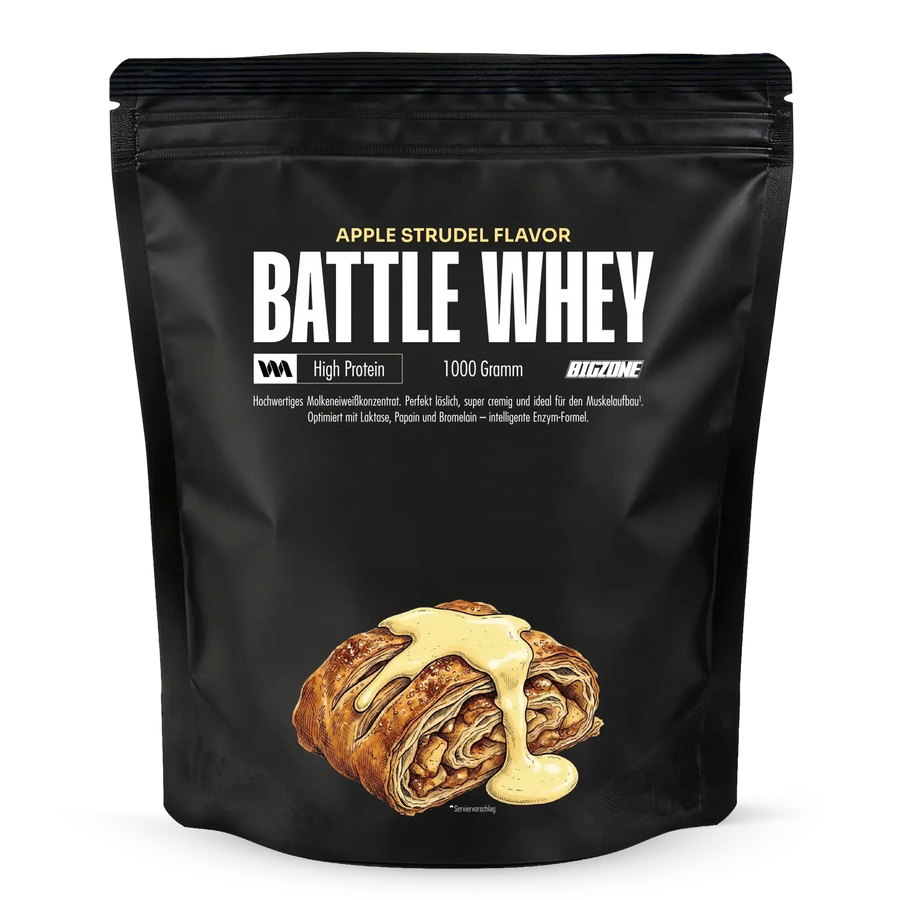
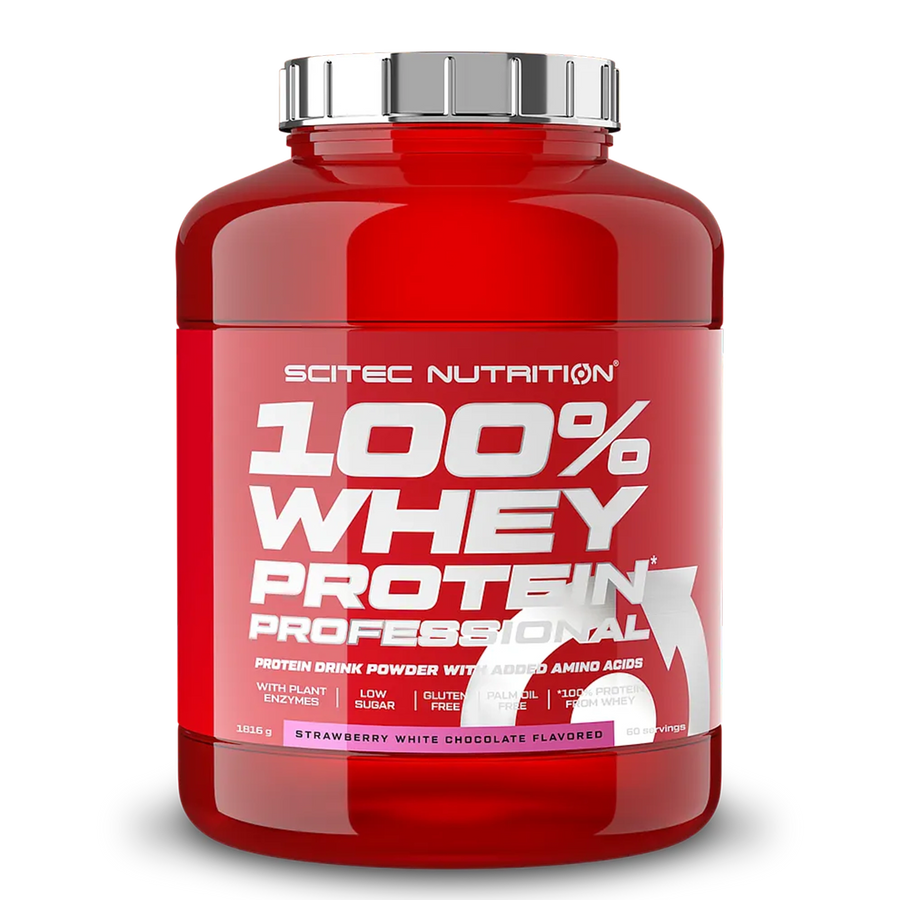
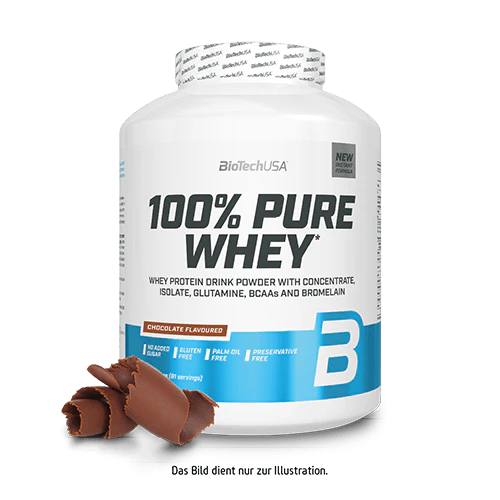
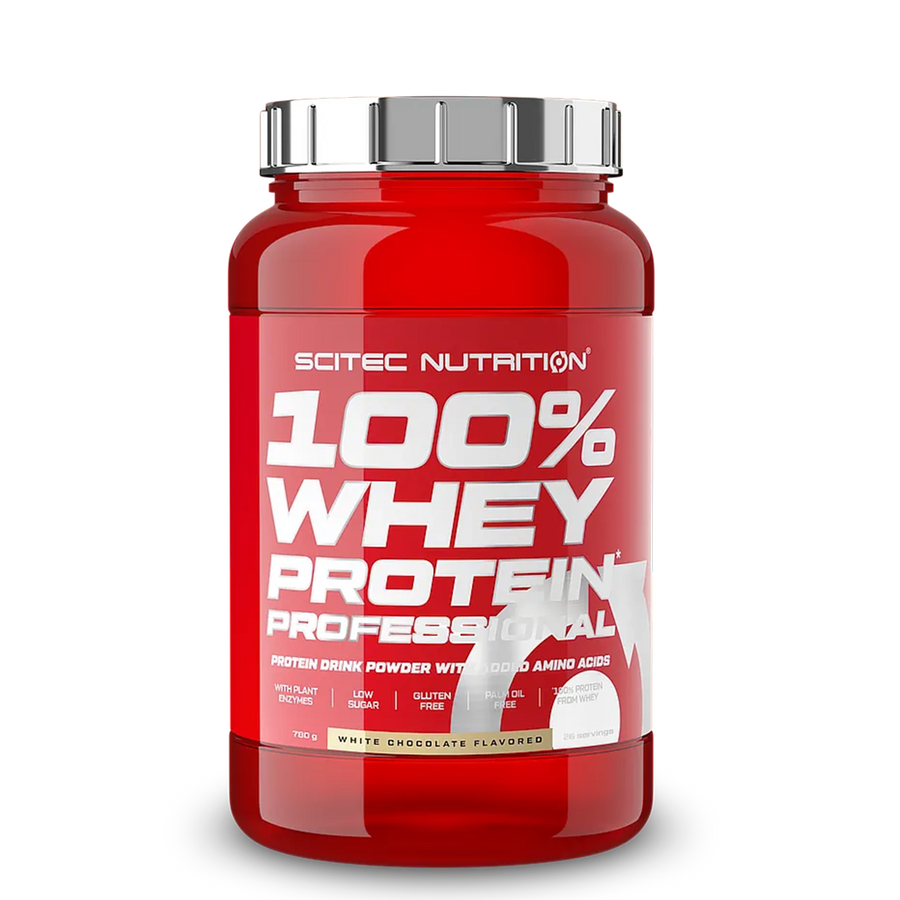
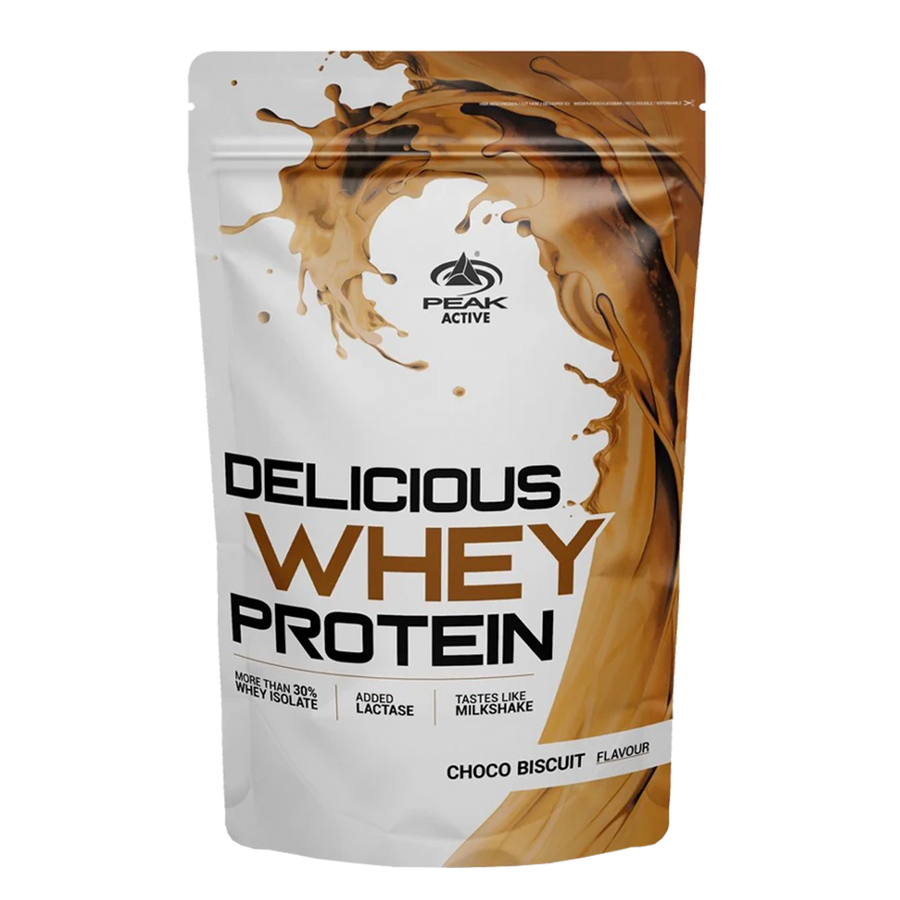
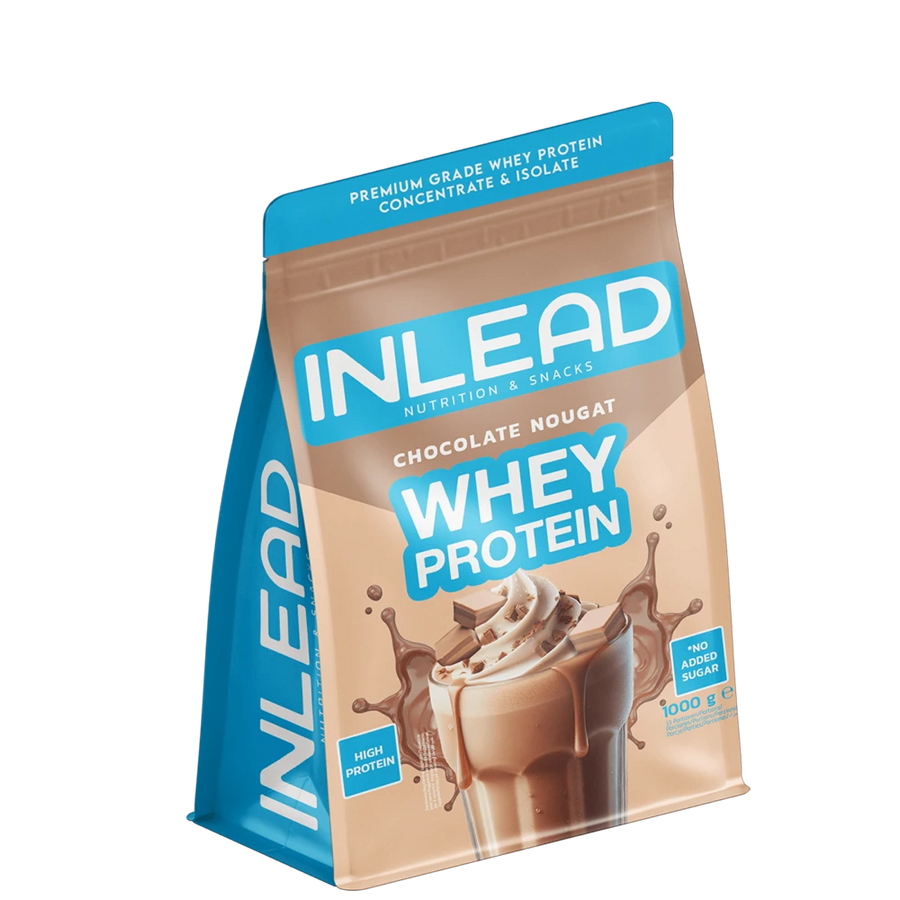
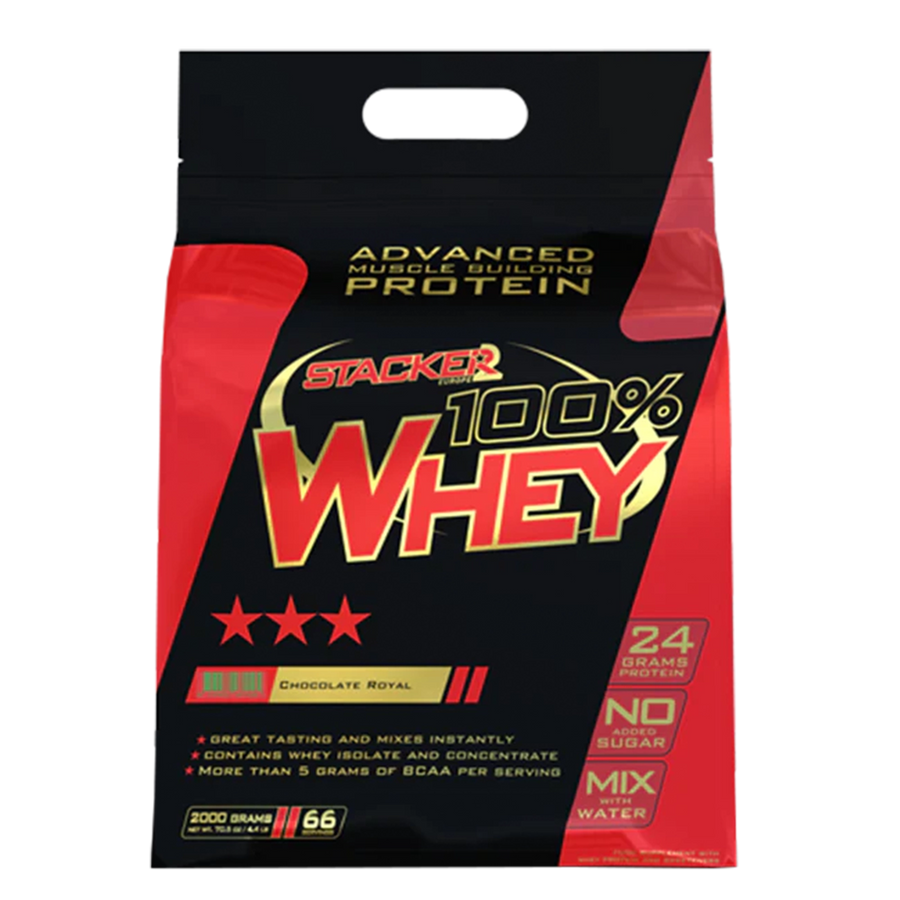
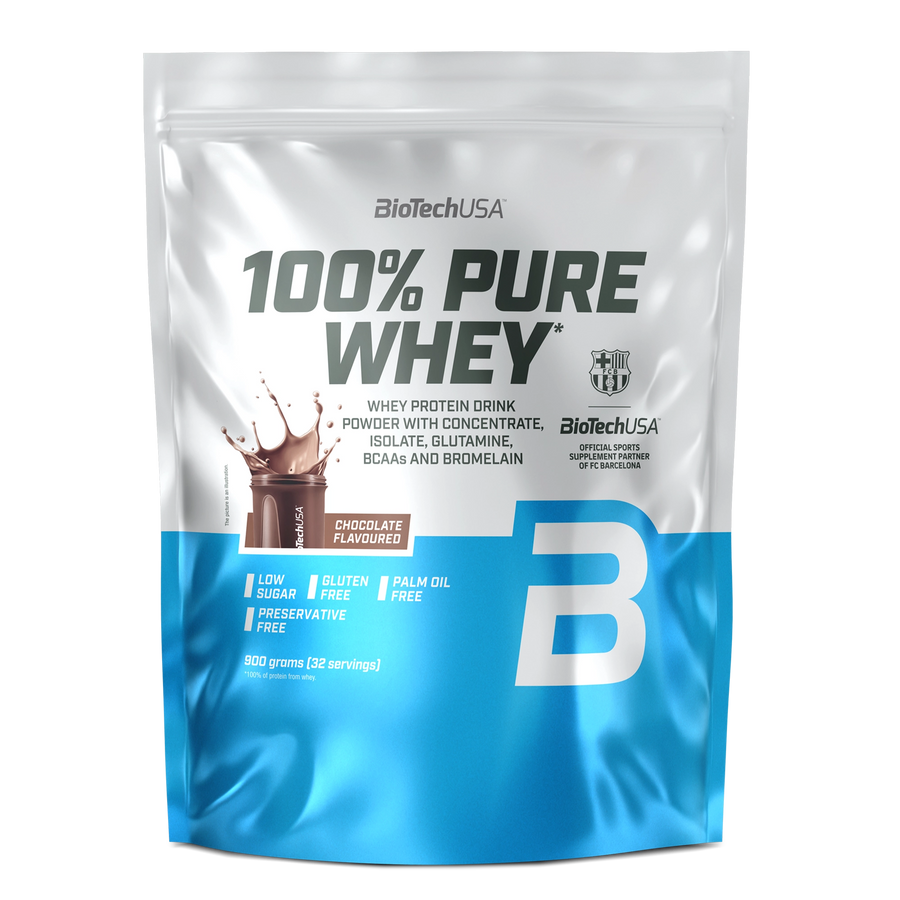
On the shelf you will find GN Laboratories, Gods Rage, Scitec Nutrition, Biotech USA, PEAK and Stacker2, plus further brands. Together that adds up to over 100 flavours, from vanilla and chocolate to iced coffee and matcha.
Right at the front is the 100% Dairy Whey: over 13,000 packs sold in just three months (as of August 2026) make it the best-selling product in the entire shop, across all categories. Its buyers rate it 4.88 out of 5 stars from over 300 reviews in the shop, and exactly this combination of price, taste and repeat-purchase loyalty is why it sits at the top with us.
The selection deliberately covers all four types, from the first beginner product to the special form for competition dieting. We stand behind every item in the grid with full conviction.
For everyone who wants to cover their protein intake reliably: strength athletes in building phases, endurance athletes in recovery and everyone who eats too little protein in everyday life. It is not a specialist product for pros, but the simplest way to get whey protein into your diet.
It is also fully suitable for women. It supports the maintenance of muscle just as it does for men, and nobody gets involuntarily bulky from a shake. During a diet, the isolate secures your protein intake with few calories.
With lactose intolerance, it is best to go straight for the isolate or the clear variant. They contain only traces of milk sugar, which is why they sit pleasantly light in the stomach. You keep the full value of the whey without your body fighting the lactose.
Once your whey is sorted, these are the two most sensible next building blocks: Creatine Monohydrate NanoPure®, the classic for explosive strength and performance in training [3], and EAA Xtreme for amino acid supply on rest days.
[1] Jäger R. et al.: International Society of Sports Nutrition Position Stand: protein and exercise. J Int Soc Sports Nutr. 2017. PMID 28642676.
[2] Authorised health claim under Regulation (EU) No 432/2012: "Protein contributes to a growth in muscle mass"; "Protein contributes to the maintenance of muscle mass".
[3] Authorised health claim under Regulation (EU) No 432/2012: "Creatine increases physical performance in successive bursts of short-term, high intensity exercise" (at a daily intake of 3 g of creatine).