Amino acids or protein shake: differences and how to decide
Whey or EAA: what sets the two powders apart, what the GN servings actually provide and when a supplement makes sense.

A protein shake provides protein that already consists of amino acids. An EAA drink provides selected amino acids in free form. If you want to add extra protein for your training, check your diet first and then the declared protein per serving. A second product with free amino acids is not automatically necessary. The differences are easy to see using two specific GN servings.
The key points
- Whey is a complete protein and already contains all nine essential amino acids. An additional EAA product is therefore not automatically necessary.
- An EAA powder provides free amino acids and other ingredients. Powder weight, declared protein and individually listed amino acid amounts are different values.
- Check your diet first: extra protein and targeted free amino acids are different buying decisions, and there is no automatic reason to buy both.
Amino acids or protein: the first decision
Which gap do you want to close? If you want more protein with a meal, you can choose foods or a protein powder. If you want to add free amino acids specifically, check the formula of an amino acid product instead. These are different buying decisions.
A complete protein such as whey already contains all nine essential amino acids that your body cannot make itself.1 An additional EAA drink provides free amino acids.
Whether you need this separate blend is a different question from whether you eat enough protein overall. There is no automatic reason to buy both at the same time. The choice depends on your specific purpose, your diet and your training.
What is the difference between amino acids and protein?
Amino acids are the building blocks of proteins. In a protein, they are linked into long chains. During digestion, these chains are broken down. Free amino acids are already present as individual building blocks. This difference describes the form of the nutrients; on its own, it does not tell you which specific product makes more sense for you.
Nine amino acids are essential for adults: histidine, isoleucine, leucine, lysine, methionine, phenylalanine, threonine, tryptophan and valine.2 They have to come from food. EAA stands for essential amino acids. Whey contains both these essential and non-essential amino acids. Leucine, isoleucine and valine form the subgroup known as BCAAs.
Feature | Complete protein powder such as whey | Amino acid powder such as an EAA blend |
|---|---|---|
Form of the building blocks | Complete protein chains | Free amino acids |
Essential amino acids | All nine included | Included selectively, depending on the formula |
Check on the label | Protein per serving, ingredient list | Individual amino acid amounts, declared protein, additives |
Classification | Protein source to cover your needs | Targeted supplement depending on the formula |
The name EAA does not mean that the tub contains only nine free amino acids. Ingredients such as flavourings, sweeteners or other substances can be part of the blend. What matters is the specific formula.
What do the specific GN servings provide?
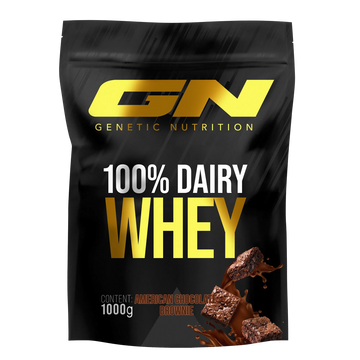
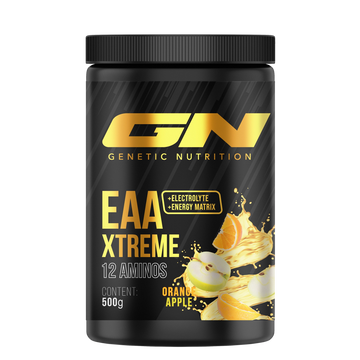
To make the difference tangible, here are two current GN products with their declared values.34 Important: the manufacturer servings differ in size. You cannot derive a comparison of equal effect from this.
Value | GN Dairy Whey Chocolate Crema | EAA Xtreme Blueberry Cocos |
|---|---|---|
Powder per serving | 30 g | 20 g |
Recommended preparation | 200 to 250 ml of water | At least 500 to 700 ml of water |
Calories per serving | 114 kcal | 55 kcal |
Declared protein | 21.6 g | 9.6 g |
Basis | Whey protein concentrate and whey isolate | Free amino acid blend plus other ingredients |

GN Dairy Whey Chocolate Crema at a glance
GN Dairy Whey is a dairy product made from whey. The values given apply to Chocolate Crema and the serving of powder stated. Other flavours may differ. The calories of any milk or plant-based drink you add would come on top.
EAA Xtreme Blueberry Cocos at a glance
EAA Xtreme Blueberry Cocos lists all nine essential amino acids, including histidine, in its composition.4 The powder also contains taurine, flavourings and sweeteners, among other things. It is a blend with other ingredients, not a powder made only of nine EAAs.
20 g of EAA Xtreme are not 20 g of free EAAs and not 20 g of protein. Likewise, 30 g of whey powder are not 30 g of protein. Powder weight, declared protein and individually listed amino acid amounts are different values. Take the 9.6 g from the nutrition table as the declared protein; do not replace it with your own total from the ingredient overview. The 55 kcal of the powder serving stay the same when you mix it with water.
Have you already decided that you want a whey protein? The comparison of whey protein and isolate explains the differences within this protein group.
Diet first, then supplements
Look at a few typical days: which meals do you eat, how big are the portions and which protein sources do they include? Dairy products, eggs, fish, meat, pulses or soy products can contribute to your daily protein intake. A single low-protein meal does not mean you are short of protein over the whole day.
Protein needs depend on age and athletic load, among other things. The German Nutrition Society (DGE) explains these differences in its recommendations.2 A fixed number of grams for every reader would be too general here; this comparison does not replace a personal assessment of your needs.
If you really want extra protein, compare the declared protein per serving. A protein powder can add to your choice of protein sources. If your diet already fits, there is no automatic need to buy whey or EAAs in addition.
EAA or whey in everyday life and around training
Ingredients, drink volume and personal preference help you choose. Whey contains milk protein. It is therefore not suitable if you have a milk protein allergy; with lactose intolerance, the actual lactose content matters. The EAA product is not allergen-free, vegan or easier to tolerate just because of its name. Read the labelling of the specific flavour.
The form of the amino acids does not allow a general statement that a particular EAA product builds more muscle than whey. A suggested timing is not proof of an extra benefit either. EAAs during training and whey afterwards are therefore not a necessary routine for every athlete.
If you use several supplements, take every serving and its ingredients into account. Stick to the recommended intake of each product. A protein shake or amino acid drink is also not automatically a complete meal: what counts is the overall composition of your food.
Practical checklist before you buy:
- Do you want to add more protein or specifically free amino acids?
- Which flavour and how much powder per serving?
- What does the nutrition table say: calories, protein content, ingredient list?
- Which amino acid profile is listed?
- What is the recommended intake, and how do you prepare the product?
- A scoop is not a uniform measure across different products. If in doubt, weigh it.
Common questions about amino acids and protein shakes
Does whey protein already contain EAAs?
Are EAAs free of calories?
Can I combine EAA and whey?
Can free amino acids replace normal protein?
What matters more: grams of powder or grams of protein?
Sources
- NIH Office of Dietary Supplements: Dietary Supplements for Exercise and Athletic Performance: Protein. ods.od.nih.gov/factsheets/ExerciseAndAthleticPerform...
- Deutsche Gesellschaft für Ernährung (DGE): Ausgewählte Fragen und Antworten zu Protein und unentbehrlichen Aminosäuren. dge.de/gesunde-ernaehrung/faq/ausgewaehlte-fragen-un...
- GN Laboratories: 100% Dairy Whey Chocolate Crema: Nährwerttabelle, Portionsgröße 30 g. gigasnutrition.com/products/100-dairy-whey-1000g-gn
- GN Laboratories: EAA Xtreme Blueberry Cocos: Nährwerte und Zusammensetzung, Portionsgröße 20 g. gigasnutrition.com/products/eaa-xtreme-gn-laboratories
More on amino acids and protein powder
-
 Image: AI-generated
EAA or BCAA: What suits your diet and training?
Nine amino acids or three: check your diet and compare grams per serving on the label.
Read article -
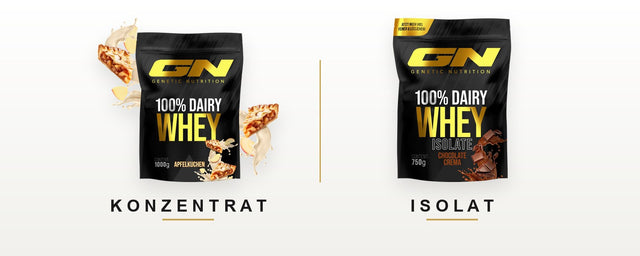
Whey Concentrate vs Isolate: Which Suits You?
A comparison of concentrate, isolate and clear whey.
Read article -
 Image: AI-generated
Protein shake with water or milk? Calories, protein and taste
Water, milk or plant-based drink: work out calories and protein, weigh up taste and tolerance.
Read article