
Filter
-11%
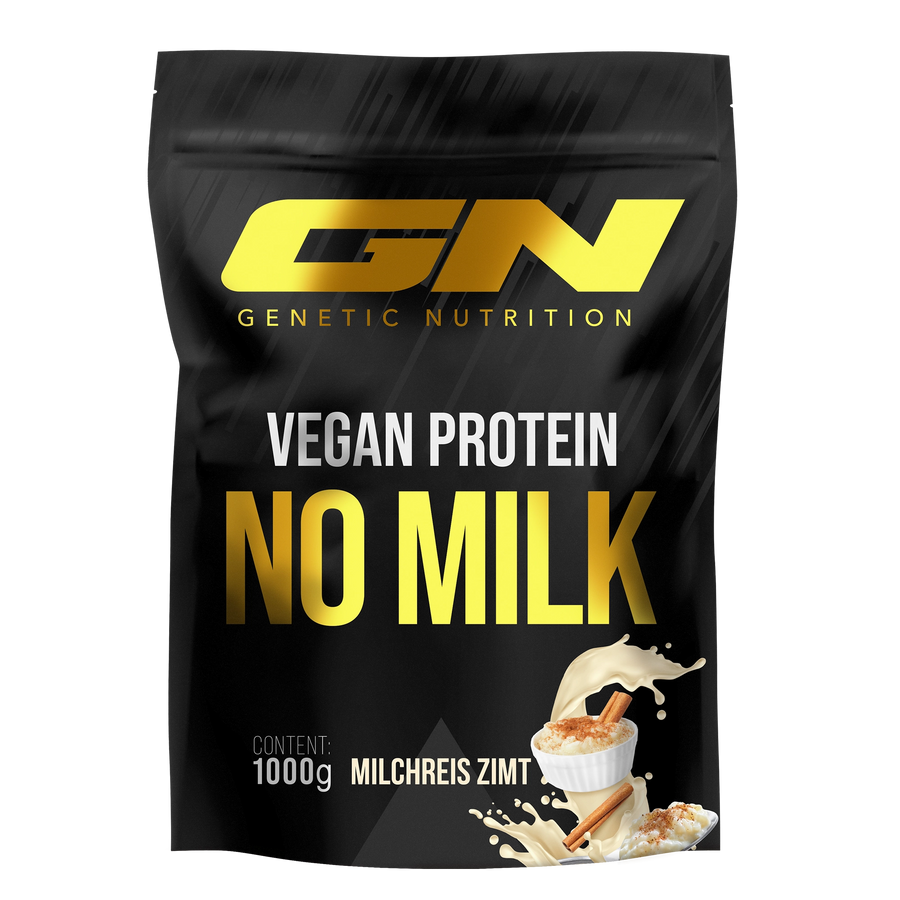
-11%
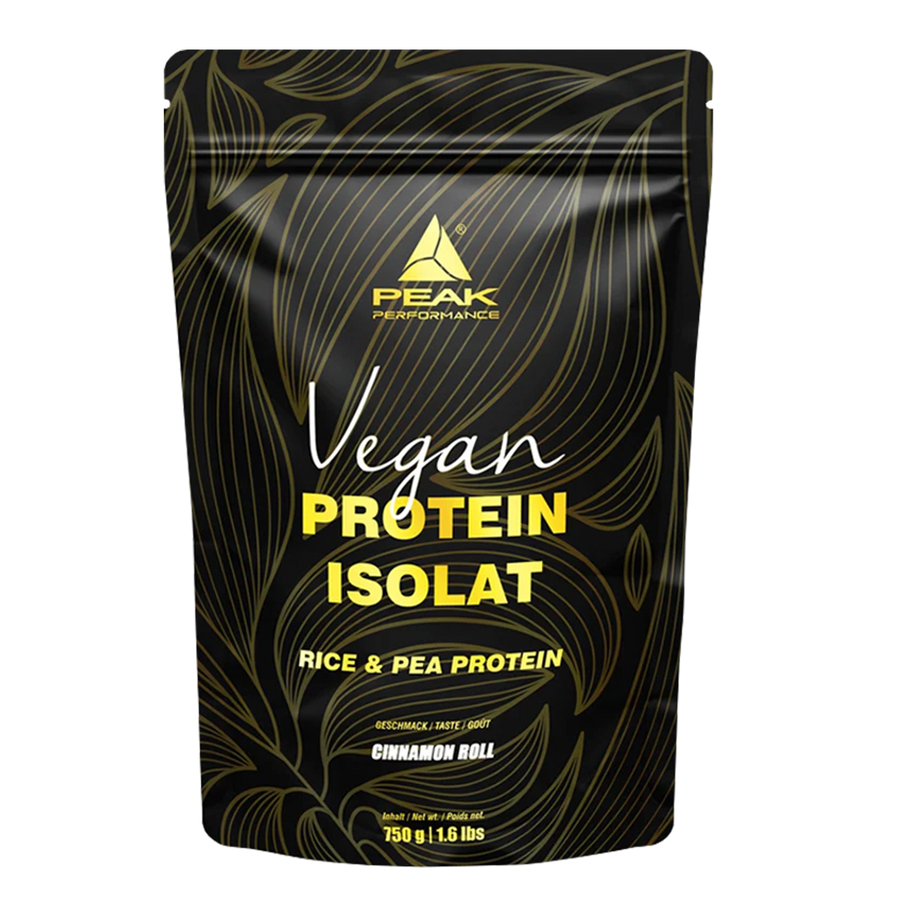
-11%
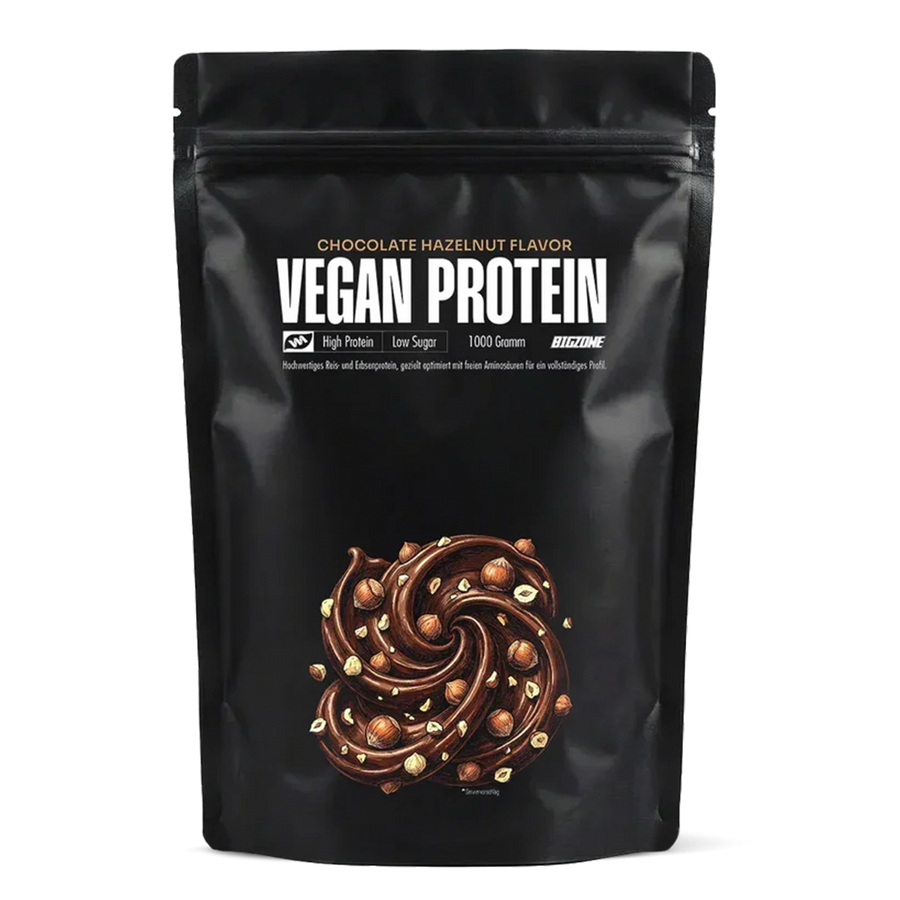
-11%
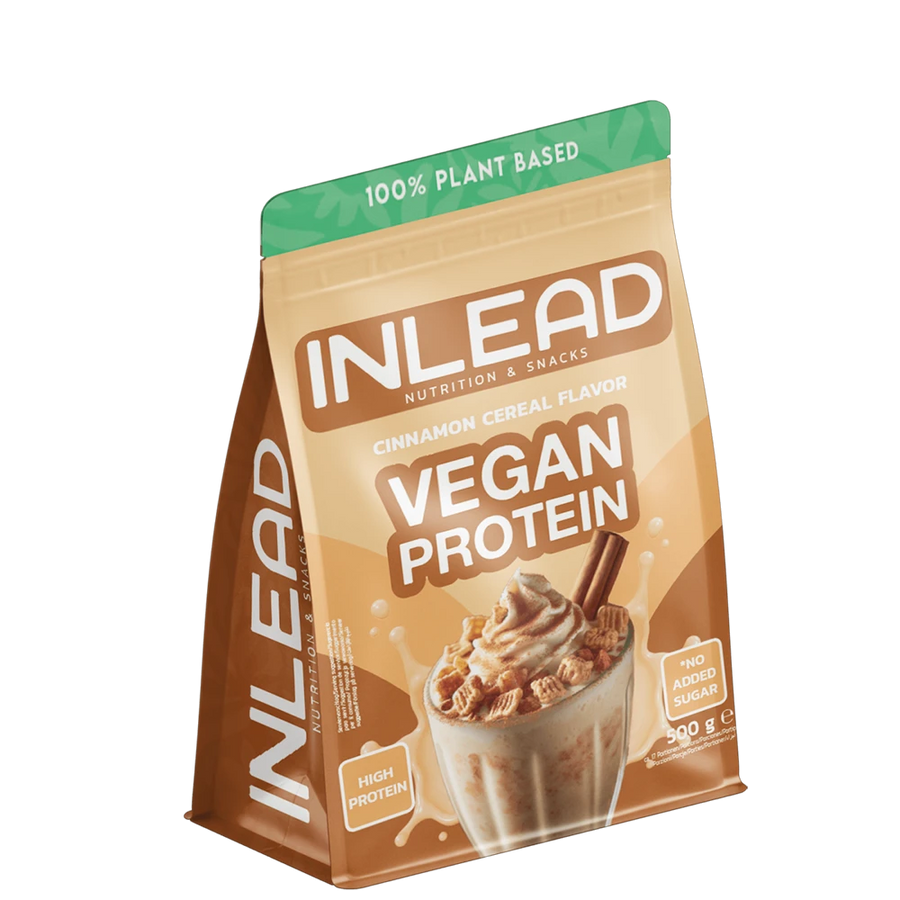
-11%
-11%


Plant-based protein powders for training and everyday life. Multi-component formulas made from pea, rice, and faba bean with a complete amino acid profile and specifically added EAAs. For your post-workout shake, for your morning porridge, for Sunday's baking batter.
A vegan protein powder contains only plant protein. No milk, no eggs, no honey. Vegan protein comes from four plant families: legumes (pea, soy, faba bean, lentil), grains and pseudo-grains (rice, oats, quinoa), nuts, seeds.
Important when reading the label: "vegan" does not automatically mean "soy-free." If you want to avoid soy, check the ingredient list for a pea, rice, or faba bean base. Plant proteins are inherently lactose-free, since they come exclusively from plant sources.
Legumes contribute the largest share. They deliver high protein content, fiber, and secondary plant compounds. Rice protein and grain proteins complement the profile where legumes lack building blocks. Modern evaluations work with the DIAAS score (the FAO standard since 2013) instead of the older biological value. A more precise measure of actual usability.
Pea, rice, faba bean, soy, and hemp together cover most of the vegan powder market. Each source has strengths and blind spots in its amino acid profile, which is why manufacturers today mostly work with multi-component formulas.
| Source | Strength | Limitation |
|---|---|---|
| Pea protein | rich in lysine, easily digestible, low in allergens | low in methionine |
| Faba bean (field bean, Vicia faba) | high BCAA share, soy- and gluten-free | not yet widely used |
| Soy protein | biological value 84-86, almost complete profile | possible allergen sensitivity |
| Rice protein | rich in methionine, biological value around 81 | low in lysine |
| Hemp protein | omega-3 and omega-6 fatty acids, rich in minerals | lower protein content |
| Other sources (lupin, oats, quinoa, pumpkin seed) | complementary amino acid profile, can be grown regionally | lower concentration |
Rice protein is rich in methionine but low in lysine. Legumes are strong in lysine, weak in methionine. Hand in hand, they cover the essential amino acid spectrum completely.
Pea, rice, faba bean. This three-source base is the backbone of modern multi-component powders. Some formulas additionally add free essential amino acids (EAAs in isolated form, e.g., L-Lysine or L-Leucine) so that the DIAAS score of plant-based powders approaches that of animal protein.
Here is what the selection looks like in concrete terms:
| Powder | Source base | Soy-free | Sweetener | Added EAA |
|---|---|---|---|---|
| No Milk Vegan Protein | Faba bean + pea + rice | ✅ | Sucralose | 6 EAA ⭐ |
| PEAK Vegan Protein Isolate | Rice isolate + pea isolate | Traces possible | stevia only | |
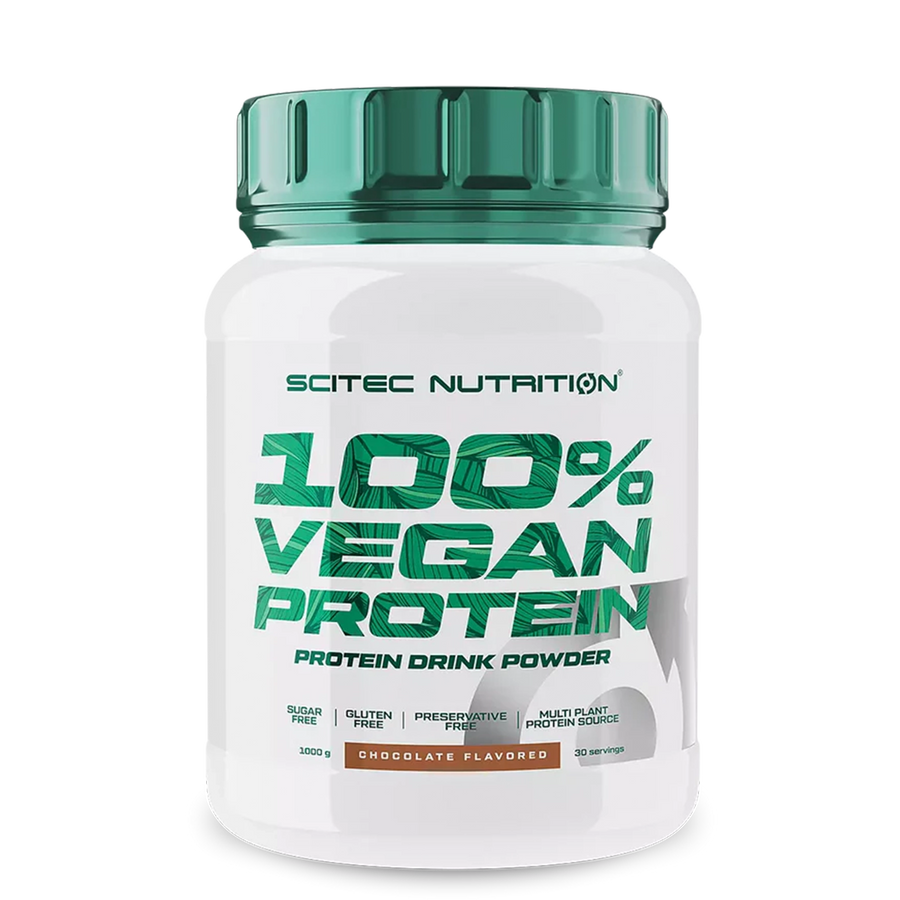
| 100% Vegan Protein | Pea isolate (Pisane® C9) | ✅ | Sucralose + acesulfame K | |
| Big Zone Vegan Protein | Rice + pea | Traces possible | Sucralose + stevia | |
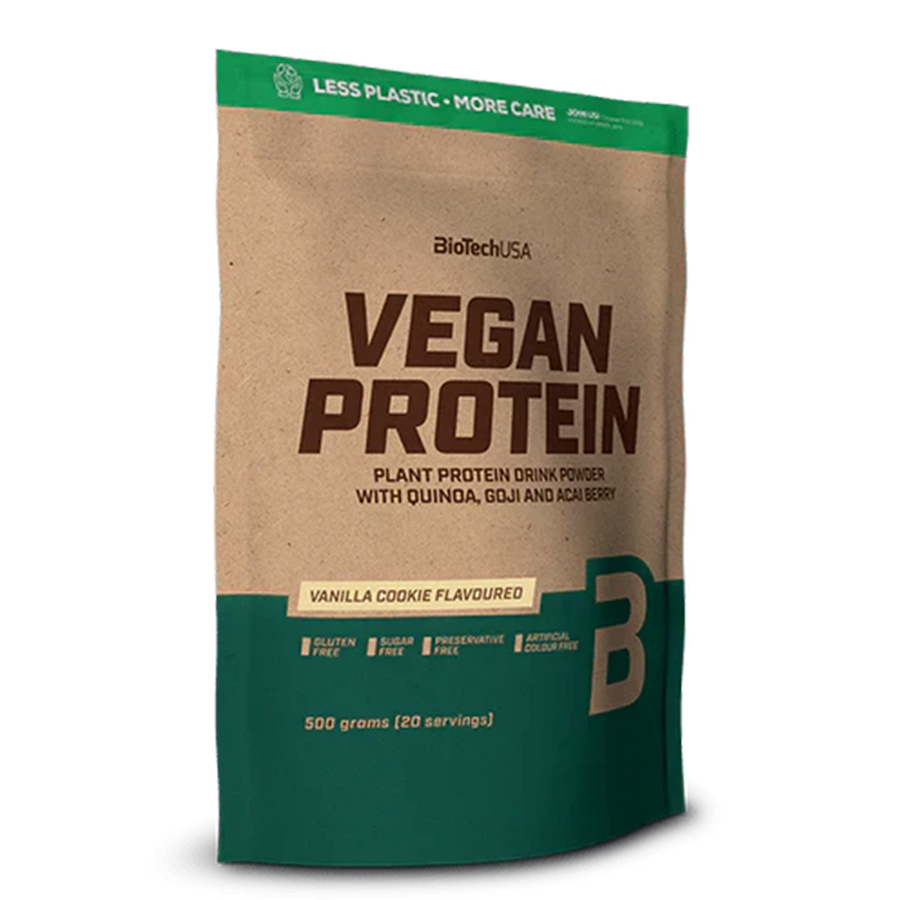
| Biotech USA Vegan Protein | Pea + rice | Traces (lecithins) | Sucralose | |
| Inlead Vegan Protein | Soy isolate + pea + almond | Soy as main component | Sucralose |
Three sources, targeted EAA addition, and no soy in the formula: this combination is found in only one powder in the selection.
A soy allergy affects around 0.5% of adults in Germany; a sensitivity affects considerably more. If you want to avoid the allergen, check the ingredient list: common indications are "soy protein isolate," "lecithin (soy)," or "may contain traces."
This selection offers one consistently soy-free multi-component powder: No Milk with its faba bean-pea-rice base. Neither as protein isolate nor as lecithin in the formula. Other powders carry a traces notice due to contamination risk in production.
Sandy texture. Earthy aftertaste. Clumps at the bottom of the shaker. Three old prejudices that modern pea and rice protein isolates have largely shed.
The isolate process is responsible: fat and carbohydrates are filtered out of the raw material until nearly pure protein remains. The result: a creamier consistency, better solubility in water and plant-based drinks, less of a sandy feel on the palate. Vanilla and chocolate flavors cover the classic demand, while fruit and coffee profiles serve more intense preferences.
The formulas differ when it comes to sweetening. Most powders in the selection work with sucralose, a low-calorie sweetener. One variant relies solely on steviol glycosides from the stevia leaf. If you prefer a natural sweetening option, you will find it in the PEAK Vegan Protein Isolate. A look at the ingredients is also worthwhile regarding the other allergens or additives.
In practice: one scoop of powder, 200 to 250 ml of liquid, a five-second shake. For an especially smooth consistency, use an oat or almond drink instead of water.
One scoop of powder delivers as much protein as a cup of cooked lentils. Preparation: one minute instead of half an hour. A standard portion is 30 g, about one heaping scoop. With 250 ml of plant-based drink in the shaker and five seconds of shaking, the protein portion is ready. The protein yield varies depending on the powder in this selection, typically between 19 and 24 g.
Water keeps the shake low in calories; a plant-based drink made from oats, almonds, or soy provides a creamier texture and brings additional minerals. Some powders dissolve with a spoon even without a shaker, others need a few more seconds of agitation.
The powder also works in baking: protein pancakes, protein muffins, energy balls. The fine grind ensures that batters do not turn dry. At very high baking temperatures, some sweeteners change their properties, so if you bake regularly, it is worth taking a look at the powder's sweetener list.
Athletes double their protein needs compared to the DGE standard. The DGE recommends 0.8 g per kilogram of body weight for healthy adults who do not exercise; sports science associations arrive at 1.6 to 2.0 g for intense strength and endurance training. At 75 kg of body weight, that corresponds to a daily protein requirement of 120 to 150 g.
Protein contributes to the maintenance and growth of muscle mass. This statement applies to protein sources in general, regardless of animal or plant origin. What is decisive for muscular utilization is the amino acid composition.
Modern vegan multi-component powders deliver a balanced L-Leucine share per portion. What matters is regular distribution across the day: two to three medium portions are more effective than a single large portion in the evening.
You need a plan that fits your training routine. Here is an example training day:
| Time | Meal | Protein content (approx.) |
|---|---|---|
| Breakfast | Oat porridge with 30 g of plant-based powder, soy drink, berries, 1 tbsp almond butter | 25 g |
| Morning snack | 200 g soy yogurt with 1 tbsp hemp seeds | 12 g |
| Lunch | Lentil bowl: 200 g cooked lentils, whole-grain rice, roasted chickpeas, tahini dressing | 30 g |
| Post-workout | Vegan protein shake with water, 30 g of powder | 20 g |
| Dinner | 150 g tofu or tempeh, quinoa, vegetable stir-fry | 20 g |
Total: around 107 g of protein. A rule of thumb from sports science: each main meal delivers about 25 to 30 g of protein, a proven value for a continuous amino acid supply. Plant sources complement each other in their amino acid profile: legumes plus grains or a multi-component powder cover the amino acid gaps of a single source. If you train intensively, add a powder portion after your last set. The anabolic window is wider than the much-cited 30 minutes and spans several hours.
For a higher requirement profile (intense strength or endurance training), the plan scales through more meals, not larger portions. Four to five meals every three to four hours keep amino acid levels constant. In concrete terms: 40 g of powder in the breakfast shake instead of 30 g, a second shake portion before bed, larger tofu or tempeh portions in the evening. If you prefer a soy-free variant, replace the soy yogurt with a second legume-based main meal (chickpea pasta, lentil Bolognese).