
Filter
-11%







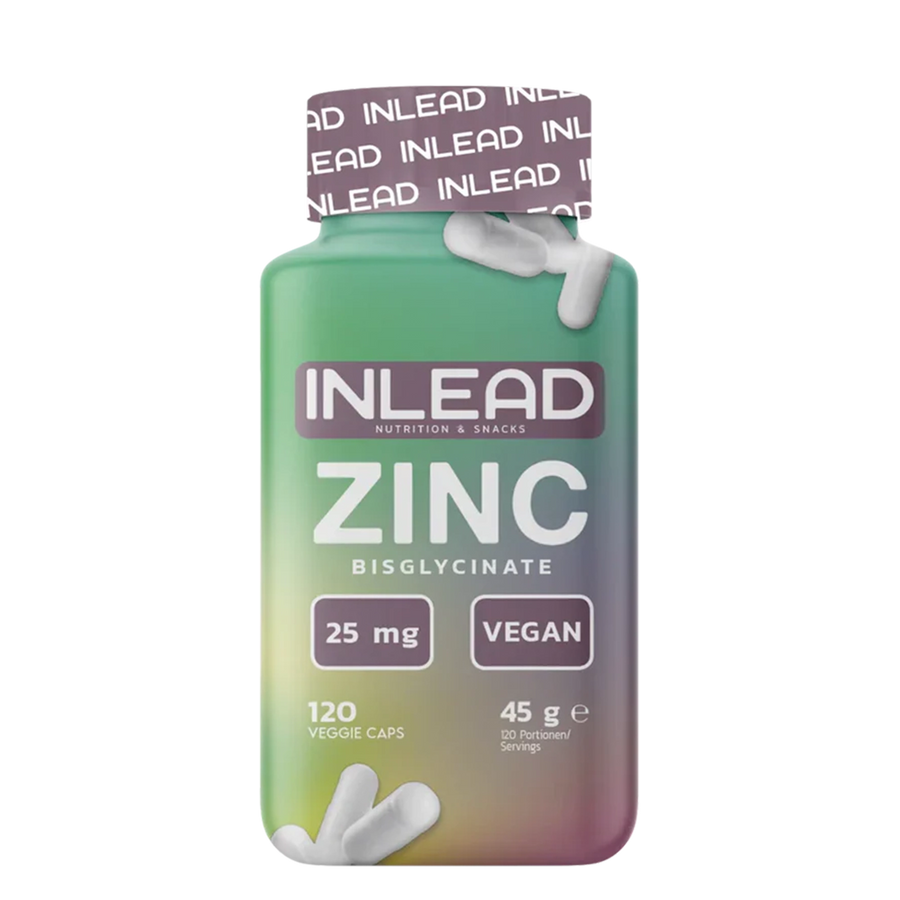
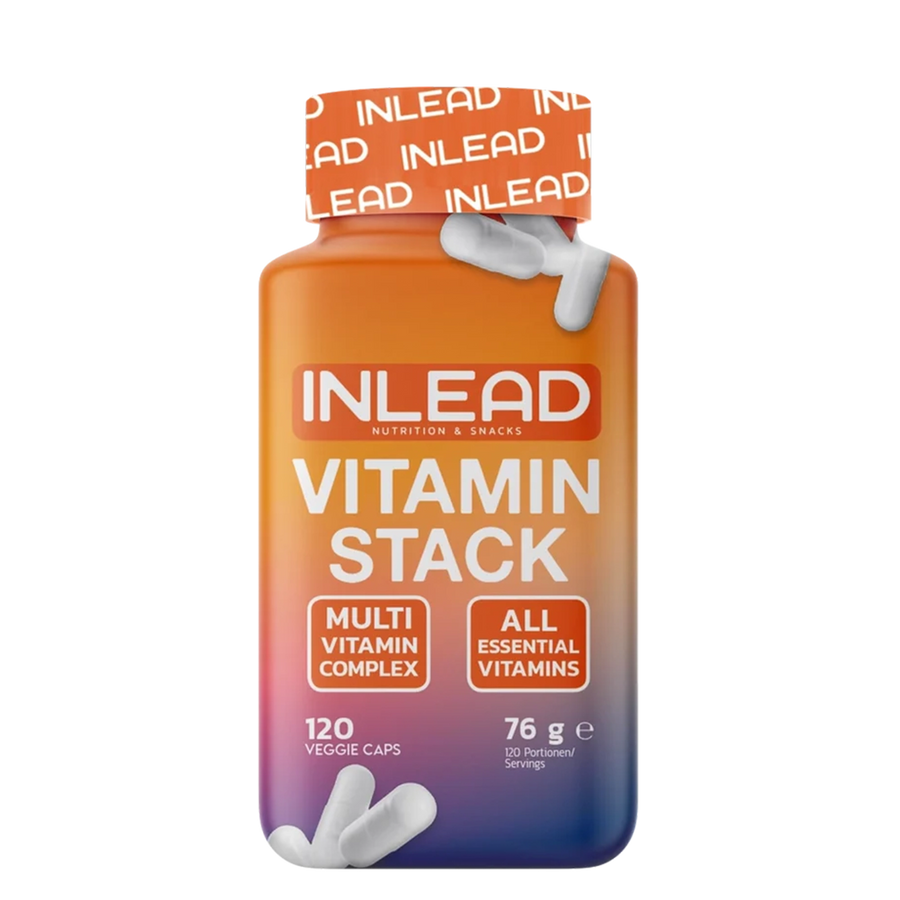
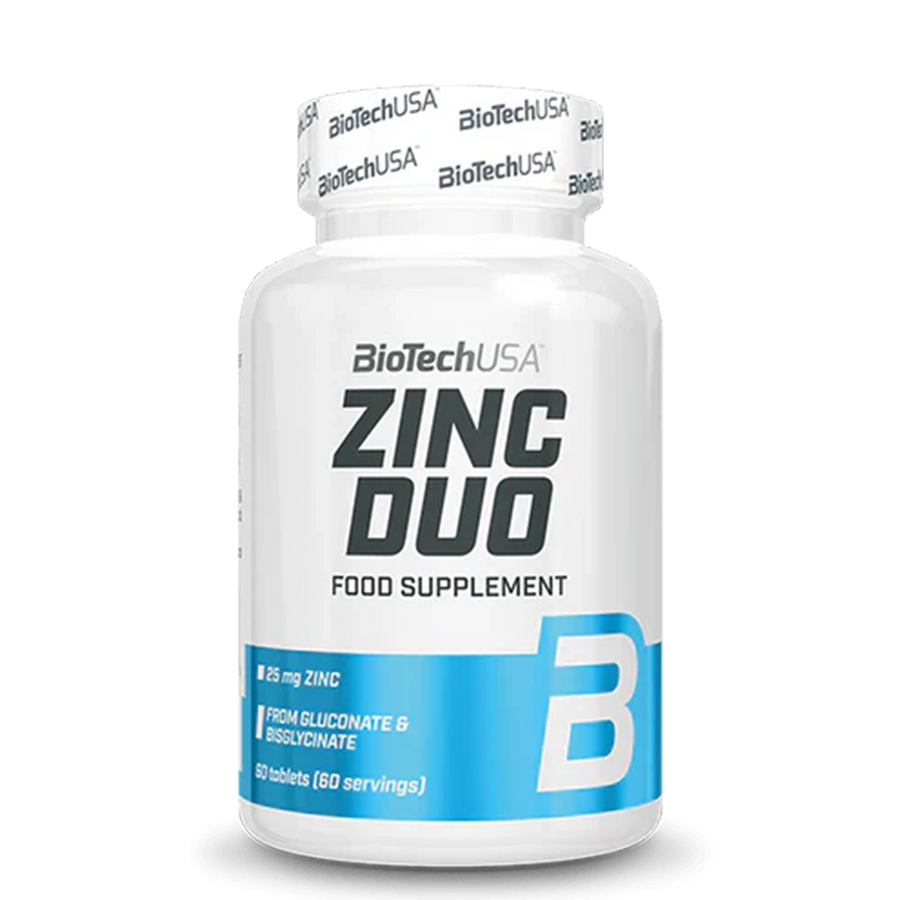


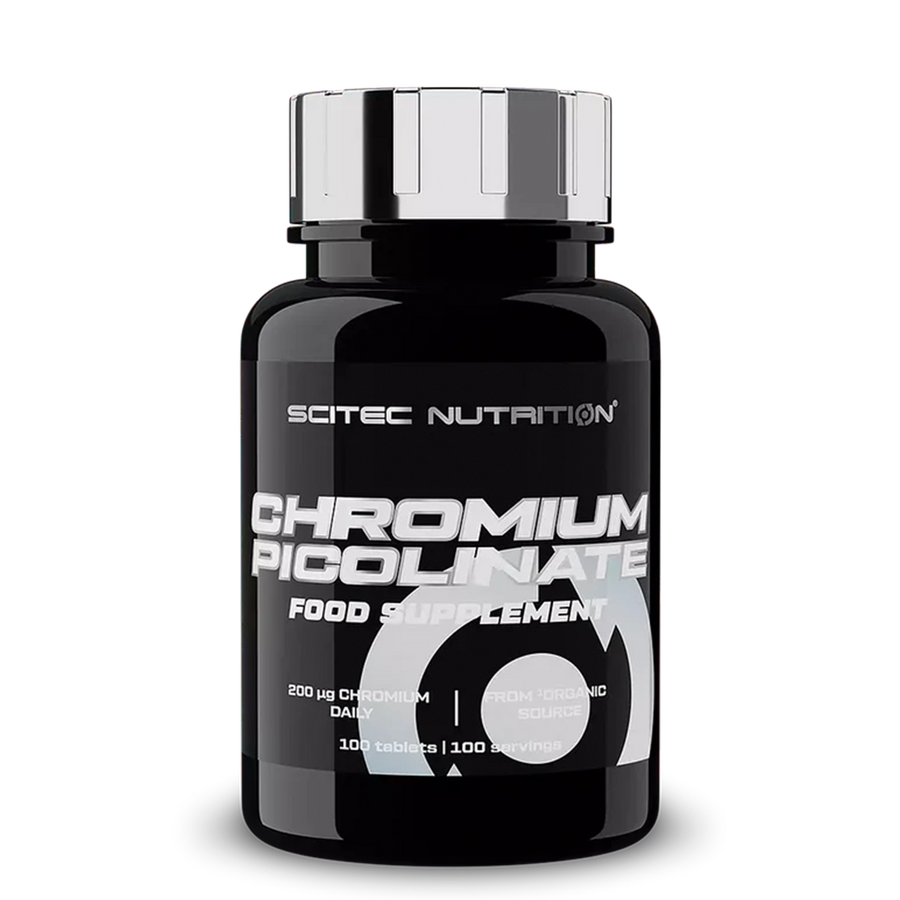
-11%
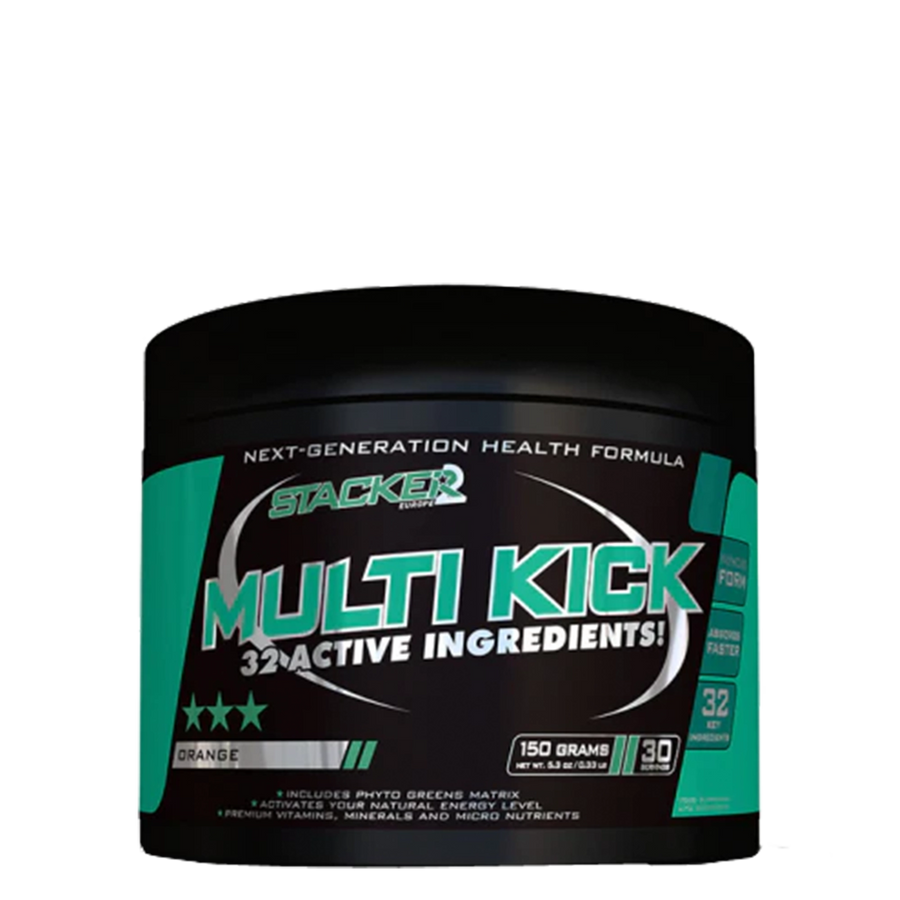
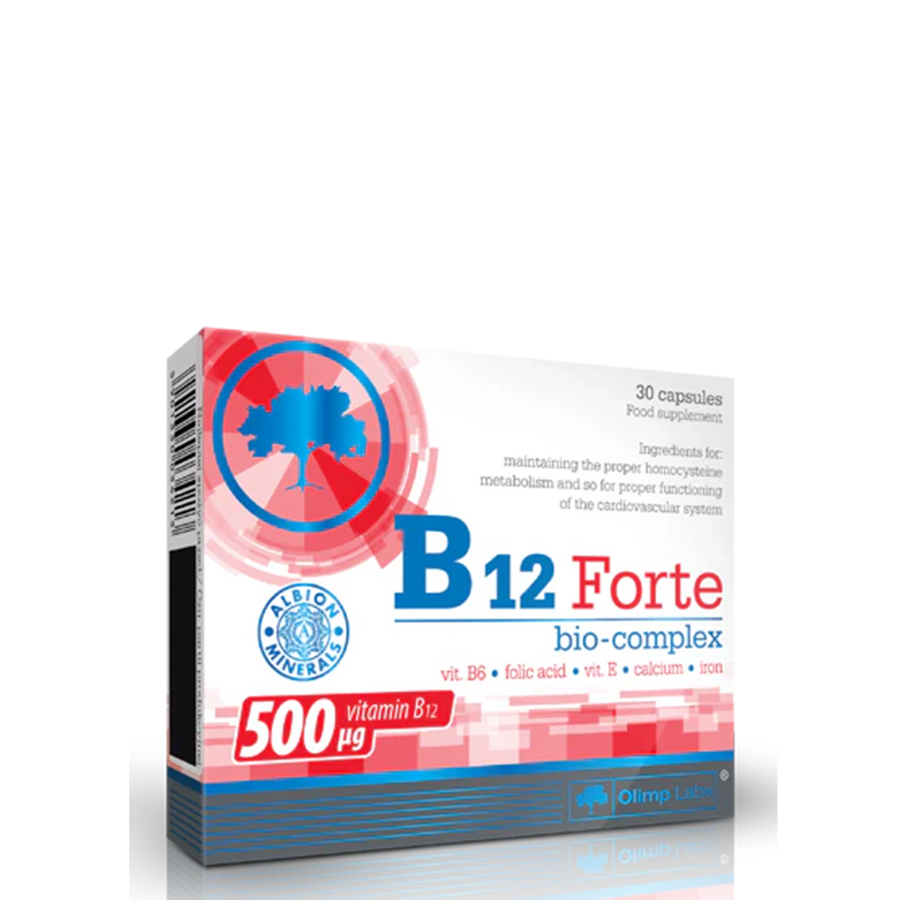
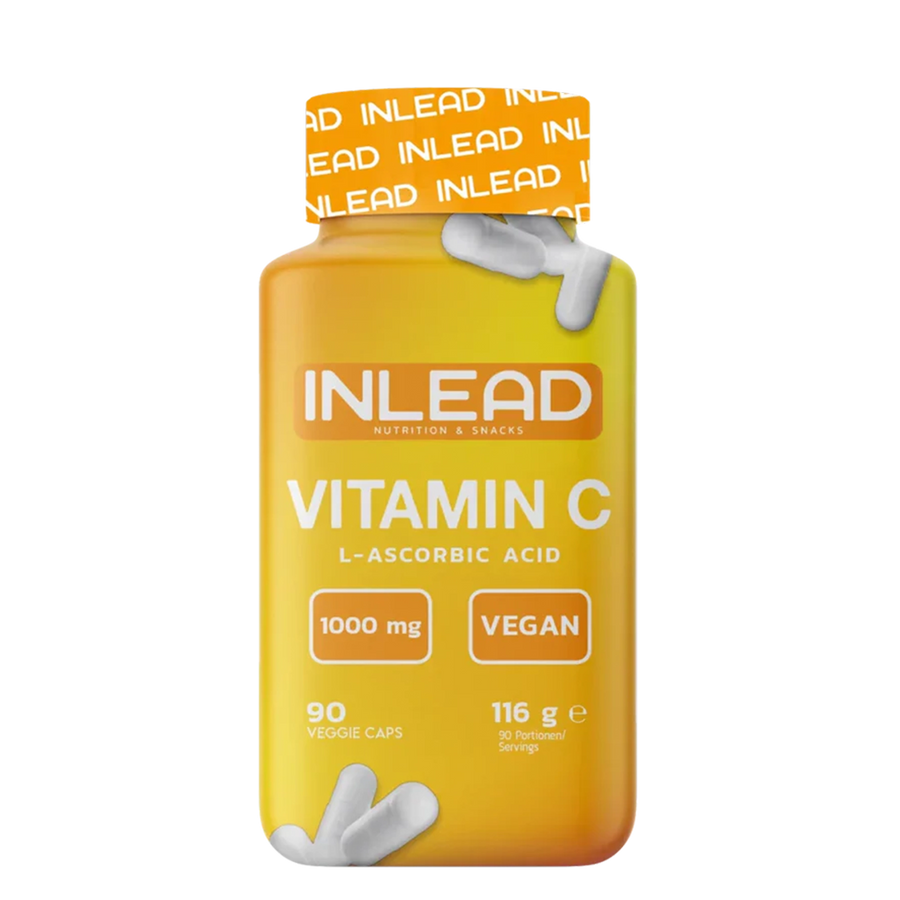


Vitamins and minerals are irreplaceable building blocks for the body to function.
Vitamins consist of organic (i.e. carbon-containing) compounds. Unlike macronutrients, these micronutrients are not used by our body as energy sources, but they are nevertheless essential for various functions of the body. As the body cannot produce sufficient amounts of vitamins itself, they are essential. This means that they must be supplied through food. Vitamins are basically divided into lipophilic (fat-soluble) and hydrophilic (water-soluble) vitamins. Some of these vitamins are supplied to the body in a non-effective preliminary stage as a so-called provitamin in food and are only formed into an effective vitamin in the body.
An undersupply of the various vitamins can result in a number of harmful deficiency symptoms and a wide variety of illnesses, and in the most extreme cases can even lead to death. In an industrialized society with a high level of food security such as Germany, however, this is extremely rare. Conversely, there can also be an oversupply of fat-soluble vitamins. Water-soluble vitamins, on the other hand, are simply excreted via the kidneys. However, such an oversupply also occurs relatively rarely. You can find more detailed information in our entries on the respective vitamins.
In contrast to vitamins, minerals are inorganic compounds. The body cannot produce them itself and, like vitamins, they must therefore be supplied through food. Like vitamins, minerals themselves are not energy carriers, i.e. they make no or only an insignificant contribution to energy metabolism. Some minerals are toxic in their elemental form (e.g. chlorine), but are essential as a compound - chloride, e.g. in sodium chloride (table salt). A distinction is made between building and regulating substances. For example, calcium, phosphorus and magnesium are building materials, while iodine, sodium, potassium, iron and chlorine are regulators. However, some minerals have both properties at the same time. Phosphorus, for example, is involved in building bones and teeth and at the same time in regulating the acid-base balance. Minerals are also colloquially referred to as bulk elements.
A distinction is made between building and regulating substances. Calcium, phosphorus and magnesium, for example, are building materials, while iodine, sodium, potassium, iron and chlorine are regulators. However, some minerals have both properties at the same time. Phosphorus, for example, is involved in building bones and teeth and at the same time in regulating the acid-base balance. Finally, there is a distinction between essential and non-essential minerals, i.e. essential and non-essential. You can find more detailed information in our entries on the respective minerals.