
Filter
-11%
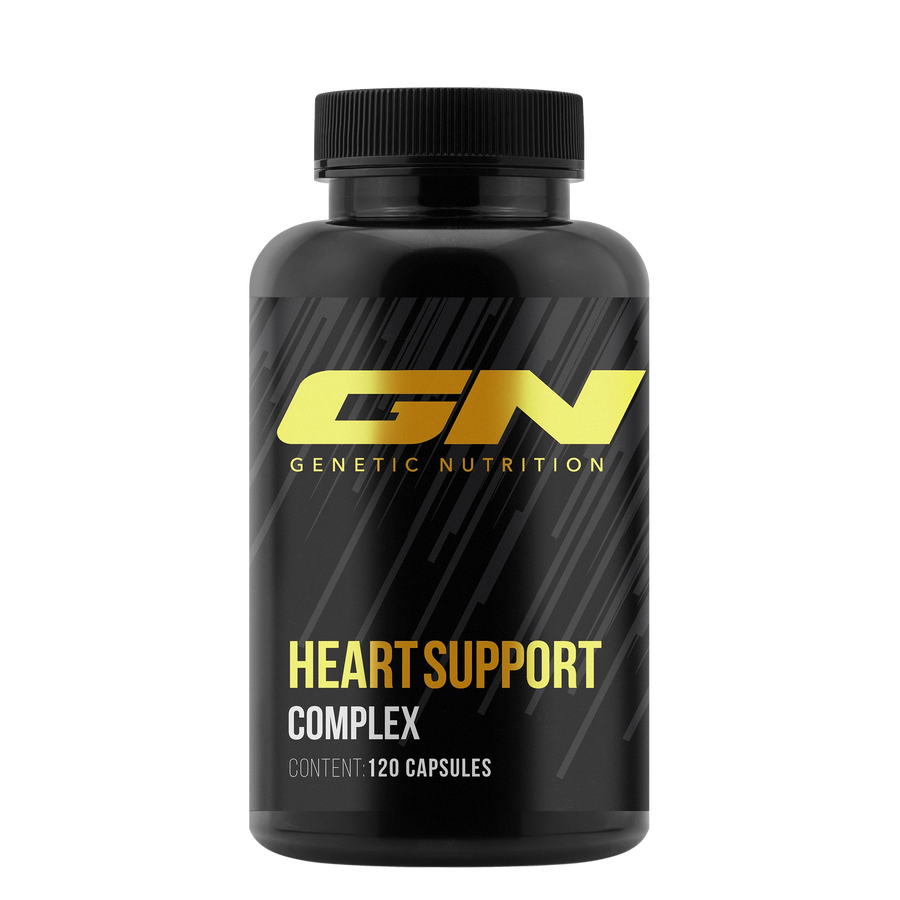
120 capsules
For the most important muscle in the body
€31,95
€35,90
(€293,12/kg)


The heart is the central organ of the human circulatory system and functions as a powerful pump that transports blood, oxygen, and nutrients throughout the entire body. It works without interruption and flexibly adapts its performance to physical exertion, emotional states, and metabolic demands. Heart health describes the functional state of the heart as well as the integrity of the vessels, the blood flow, and the regulating systems that support the heart.
Characteristic of the cardiovascular system is its complex interplay of mechanical, electrical, hormonal, and metabolic processes. The heart reacts sensitively to changes in blood pressure, fluid balance, nutrient supply, and hormonal regulation. Long-term stable heart health is therefore the result of a finely tuned balance between exertion, recovery, and internal regulation.
Heart health is determined by an interplay of numerous factors. These include genetic predispositions as well as lifestyle, diet, exercise, and psychological strain. A balanced diet supports the supply of essential nutrients to the heart muscle, while regular physical activity improves blood circulation and promotes the heart's adaptability.
Metabolism also plays a central role: blood lipid levels, blood sugar regulation, and inflammatory processes act directly on the vessels and the heart. Via hormonal mechanisms, chronic stress can permanently raise heart rate and blood pressure and thereby impair heart health. Conversely, sufficient sleep, rest, and emotional stability have a protective effect on the cardiovascular system.
Heart health is inseparably linked to the health of the blood vessels. Arteries, veins, and capillaries form a finely branched network that enables blood transport. The elasticity of the vessels, the function of the inner vessel wall (endothelium), and the composition of the blood significantly influence the workload of the heart. When vessels lose elasticity or deposits form, the heart must work harder to maintain blood flow. Vascular health is therefore a central component of heart health.
In everyday life, heart health determines physical resilience, endurance, and the ability to adapt to stress situations. In sports, it becomes apparent how efficiently the heart works and how well it can adapt to training stimuli. A high-performing heart not only enables better athletic results but also supports recovery and general well-being.
Regular exercise has a positive effect on heart rate variability, blood circulation, and blood pressure. At the same time, physical activity helps reduce metabolic risk factors that could impair heart health in the long term.
Various parameters are used to assess heart health, including blood lipid levels (cholesterol, LDL, HDL), inflammation markers, blood sugar levels, and blood pressure measurements. In addition, imaging procedures and functional tests are used to assess the heart's performance. These values are always interpreted in the context of individual factors such as age, sex, lifestyle, and exertion profile.
Heart health is the result of a complex interplay of heart function, vascular health, metabolic processes, and lifestyle factors. A healthy heart is a prerequisite not only for physical performance but also for long-term vitality and quality of life. Through exercise, a balanced diet, stress regulation, and regular preventive checkups, heart health can be lastingly supported and stabilized.