


Shatavari Benefits: Studies, Dosage and Uses
Shatavari benefits reviewed: evidence on menopause, sleep and sport, plus dosage and the SRI-81 extract. Get the facts now.

You train hard, you watch your macros and your recovery, but have you ever wondered what a root from the Indian subcontinent can do for your regeneration, your sleep and your well-being? Shatavari is one of those adaptogens only now arriving in the Western sports world, even though it has played a central role in Ayurveda for centuries. This article gives you a scientifically grounded overview of how shatavari works, without bro science and without empty promises. And because with a root quality decides everything, we close by explaining what really matters when you buy it.
Key takeaways at a glance
Before you dive into the details, here are the core points worth remembering:
Shatavari (Asparagus racemosus) is a central herb in Ayurveda whose root is traditionally used in India, Nepal and Sri Lanka as a rejuvenating tonic. The Sanskrit name is traditionally associated with female vitality and fertility.
The most robust modern evidence concerns menopausal symptoms: in one study a standardised shatavari extract (300 mg daily over 8 weeks) improved typical complaints such as hot flushes, stress and fatigue [1].
For athletes the most interesting aspects are antioxidant properties, support for restful sleep and an adaptogenic effect on stress axes. One training study even showed strength gains on the bench press after 8 weeks [3].
Typical forms are powder (churna), capsules and standardised extracts. The patented branded raw material SRI-81® delivers 300 mg of extract per capsule with 10% shatavarins, exactly the daily dose used in the human studies.
Shatavari is not a substitute for medical treatment. With hormone-dependent conditions, an allergy to asparagus plants, and during pregnancy and breastfeeding, use belongs in expert hands.
What is shatavari (Asparagus racemosus)?
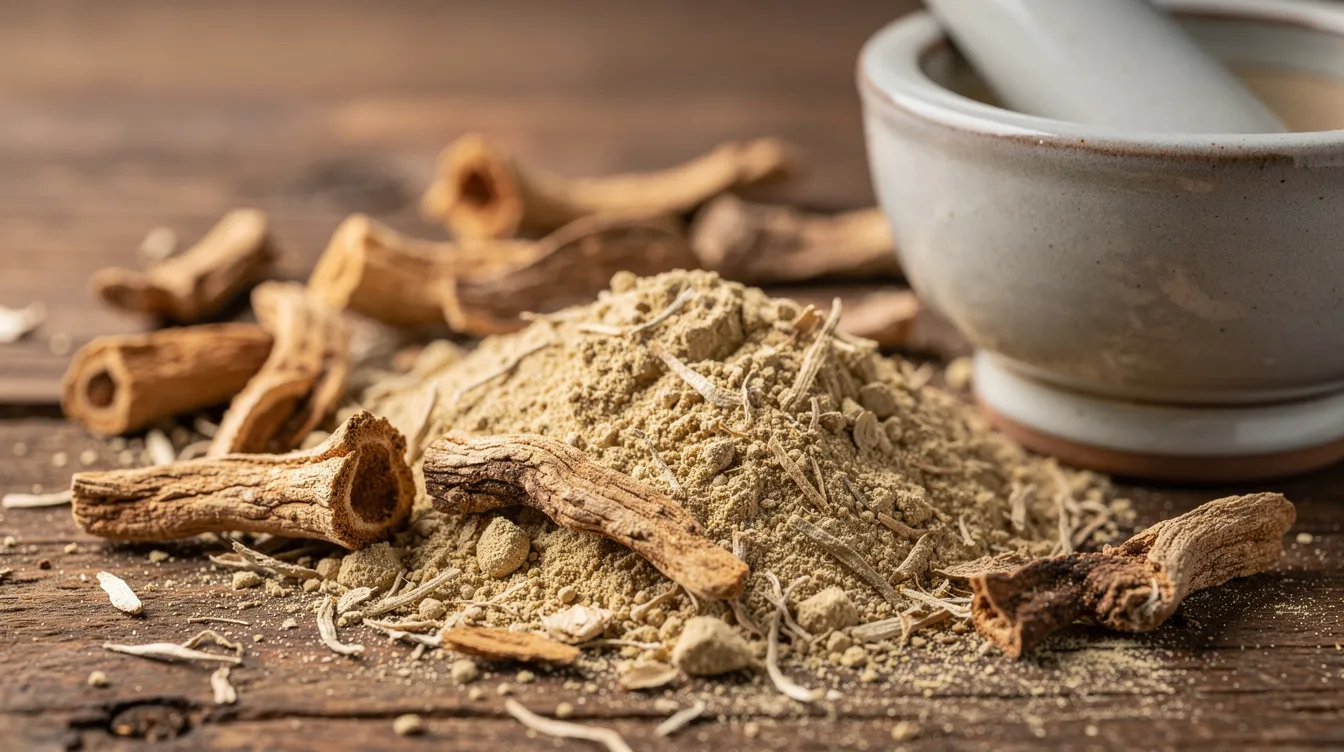
Shatavari is the Sanskrit name for Asparagus racemosus, a perennial climbing plant from the asparagus family (Asparagaceae). This makes shatavari a distant relative of the garden asparagus you know from the supermarket, but with a completely different active profile: it is not the asparagus spear that is used, but the tuberous root. As a medicinal plant, then, what counts with shatavari is the dried root, and it is exactly this root that goes into a good extract.
Botany: The plant forms needle-like leaves, small white flowers and red to blackish-purple berries. Below ground it develops a system of tuberous roots that can grow up to a metre long. This root is the medicinally used part of the plant.
Distribution: Above all India, Nepal, Sri Lanka and parts of the Himalayas through to northern Australia. The plant prefers sandy, well-draining soils at altitudes up to about 1,400 m.
Traditional use: In Ayurveda shatavari is regarded as one of the most important rasayanas, that is, a rejuvenating tonic used above all for women, but in principle for men too.
In food supplements it is almost always the dried, ground root or an extract derived from it. You will therefore find shatavari as a capsule, as a powder or as a standardised extract.
Properties of shatavari from an Ayurvedic perspective
Taste and energy
Taste (rasa): Sweet and slightly bitter, which in Ayurveda stands for nourishing, building and cooling qualities.
Energy (virya): Cooling, which is why shatavari is used above all for Pitta overheating and Vata restlessness.
Dosha effect
Dosha effect: Shatavari has a balancing effect on Pitta and Vata and a mildly building effect on Kapha. Dosha balance is at the heart of Ayurvedic medicine.
Tissue affinity and further properties
Tissue affinity: Especially beneficial for the Shukra Dhatu, that is, the reproductive tissue and reproductive system, which explains the traditional use in fertility and during pregnancy and breastfeeding.
Further attributions: Mucosa-protecting (stomach, intestine), mildly calming for the nerves, building for vitality.
The Ayurvedic view is holistic and cannot be equated directly with Western pharmacological categories. It does, however, offer a vivid way of organising the many effects of this plant.
Constituents of shatavari and their significance
Important constituents
Steroidal saponins (shatavarin I to IV, shatavaroside A/B): They are at the centre of the research and are associated with hormone-modulating, milk-promoting and immunomodulating effects.
Isoflavones and phytoestrogens: They can influence hormonal functions by binding to estrogen receptors and producing weak, plant-based estrogen-like signals.
Flavonoids and polyphenols (such as quercetin, rutin): They contribute to antioxidant properties, that is, protection against oxidative stress, which can be relevant for athletes after intense sessions.
Mucilages and polysaccharides: They explain the traditionally described mucosa-protecting effects in the gastrointestinal area.
Alkaloid components (such as aspargamine A): They round out the profile with further biologically active compounds.
The overall effect probably arises from the interplay of all constituents (whole-plant approach), not from a single isolated substance. This is exactly why standardisation matters so much with shatavari: modern extracts such as SRI-81® fix the active content. Here 300 mg of extract deliver 30 mg of shatavarins (10%), of which 15 mg is shatavarin IV. That way you know exactly what is in every capsule.
Shatavari effects in women
In the Ayurvedic tradition shatavari is regarded as the women's herb par excellence: it has been used for centuries across different phases of life, from cycle and desire to conceive through breastfeeding to menopause. Modern research is only just beginning to test these applications with Western methods. The most robust data currently concerns menopausal symptoms [1].
A realistic frame matters: the available studies are promising, but do not yet allow universal treatment recommendations. If you have existing hormone-dependent conditions, it is best to discuss use beforehand with your doctor or gynaecologist.
Shatavari for an irregular cycle and PMS
In Ayurveda shatavari is traditionally used for menstrual pain, premenstrual syndrome (PMS) and irritability. The idea: isoflavones and phytoestrogens gently modulate the interplay of estrogen and progesterone, which is traditionally linked to a better inner balance.
The plant is also credited with inflammation-modulating properties that can play a role in menstrual complaints.
As traditional guidance, a quarter to half a teaspoon applies for powder; with standardised capsules you follow the manufacturer's instructions.
A sensible period of use is around 2 to 3 cycles. After that it is worth taking an honest stock of whether to continue.
Good to know: With unexplained, severe lower abdominal pain or bleeding disorders, assessment by a doctor is the way to go; here shatavari is at most a supplement.
Support for fertility and desire to conceive
When trying to conceive, Ayurveda traditionally uses shatavari to nourish the reproductive tissue (Shukra Dhatu) and bring Vata and Pitta into balance. Robust clinical evidence in humans is, however, still thin here.
Because psychological and physical stress (cortisol) co-determine fertility, shatavari's adaptogenic profile is discussed in this context.
Shatavari is at best one building block alongside nutrition, stress management and medical diagnostics, not a substitute for reproductive medicine measures.
With a desire to conceive accompanied by issues such as endometriosis or thyroid problems, it is best to clarify use with your gynaecologist.
Shatavari during breastfeeding
In Ayurveda the root is listed as a galactagogue herb said to support milk production. Initial clinical data with a standardised extract do indeed point to effects on milk volume and the timing of milk coming in [5].
Important and honest: During pregnancy and breastfeeding, every supplement belongs in the hands of a midwife or doctor. Our SRI-81® Shatavari is expressly not intended for these phases. This section informs about tradition; it is not a usage recommendation.
Shatavari in menopause
Hot flushes, sleep problems, dry mucous membranes, mood swings: the variety of symptoms in peri- and postmenopause is enormous. This is where the currently strongest evidence for shatavari lies.
A 2025 study showed clear improvements in this phase: a standardised shatavari extract (300 mg, once daily, 8 weeks) significantly improved menopausal symptoms on the Menopause Rating Scale as well as perceived stress (p<0.0001), plus hot flushes (p=0.002) and fatigue (p=0.019) [1]. That is exactly the amount one SRI-81® capsule delivers.
Interesting for the combination: in a further study, shatavari together with ashwagandha performed better in some areas than shatavari alone [2]. Both raw materials come from the same manufacturer, more on that below.
As plant-based support, shatavari is not a substitute for hormone replacement therapy in the conventional medical sense.
Shatavari effects in men
Shatavari is not exclusively a women's herb. In Ayurvedic medicine it is also used for men, with a somewhat different focus than ashwagandha.
Traditional applications and the state of research
Traditionally the applications concern above all vitality and general strength; in Ayurvedic herbalism shatavari is also regarded as an aphrodisiac.
Preclinical data from animal models point to possible influences on oxidative stress, but are only of limited transferability to humans.
Most relevant for athletes: shatavari can be interesting as an adaptogenic, antioxidant and stress-modulating food supplement, but it is not a testosterone booster in the pharmacological sense.
A human study showed strength gains on the bench press at 500 mg per day over 8 weeks compared with placebo [3], presumably via antioxidant mechanisms. That makes the root particularly interesting for strength sports.
Antioxidant properties and the immune system
Why are antioxidant properties relevant for athletes? Every intense training session generates oxidative stress in the body that can strain cell structures. As a plant, shatavari brings antioxidant and inflammation-modulating properties that can support the body during recovery.
Antioxidant effect
Polyphenols, flavonoids and certain saponins from shatavari neutralise free radicals in laboratory studies and reduce lipid peroxidation.
This protection against oxidative stress can theoretically contribute to preserving muscle and nerve cells, one reason why antioxidant nutrients have their place in recovery protocols.
Immune system
Animal and in-vitro studies point to immunomodulating effects, such as altered antibody production and an influence on certain immune cells.
For healthy people this is one building block for supporting the immune system, but one that does not replace a balanced diet.
Conceptually shatavari fits alongside other antioxidant nutrients such as vitamin C, vitamin E and polyphenols. More does not automatically help more here.
Shatavari, stress reduction and restful sleep
The connection between stress, sleep quality, cortisol and regeneration is no secret to ambitious athletes: those who sleep poorly recover more poorly, build less muscle and risk overreaching. Shatavari is described as an adaptogen that supports the body during phases of stress.
Stress reduction
In the menopause study, alongside the physical complaints, measured perceived stress also fell clearly [1], which fits the traditional image of shatavari as a calming herb.
Traditionally the root is credited with a calming effect on the nervous system that can favour restful sleep.
Sleep quality
Smaller human studies showed effects on inner restlessness and sleep parameters. One investigation used the Regensburg Insomnia Scale and found better sleep depth after 60 days [4].
A practical ritual: the Ayurvedic moon milk, warm plant-based milk with shatavari powder, cinnamon and optionally honey before going to bed.
What counts for athletes: better sleep supports regeneration and performance. If you already rely on sleep supplements, shatavari can be a sensible addition.
Shatavari and digestion / mucosa protection
Good digestion means better nutrient absorption, and that is the basis of any athlete's nutrition. Shatavari is traditionally regarded as digestion-friendly and mucosa-protecting.
In Ayurveda shatavari is described as cooling, mucosa-protecting and mildly antispasmodic, especially in the area of the stomach and small intestine.
Animal studies on stress-induced or drug-induced stomach ulcers point to protective effects of the mucilages and polysaccharides.
In practice, taking it in warm water or milk is valued when the mucosa is slightly irritated. With severe or persistent complaints, a medical assessment is the right way.
Shatavari and ashwagandha: the Ixoreal duo for holistic well-being
The dimensions of effect explained above, that is, nerves, digestion, sleep and the topics around menopause, influence one another. In Ayurveda it is always about body and mind at the same time: the root is credited with a balancing effect that supports inner equilibrium and general well-being. This is exactly why it is worth looking at the combination with a second adaptogen.
Two studies tested shatavari together with ashwagandha and found stronger effects in some areas than with shatavari alone [2]. Anyone who also wants to work specifically on stress resilience and sleep can consider Ashwagandha KSM-66® as an addition.
The clever part: Our SRI-81® Shatavari and KSM-66® Ashwagandha both come from the same manufacturer, Ixoreal Biomed. Two standardised branded raw materials from a single source, exactly the combination that performed so well in the studies.
A practical daily plan: light movement in the morning, shatavari in the moon milk in the evening, plus consistent sleep hygiene. Simple, but effective.
The adaptogen duo from our range: Combine SRI-81® Shatavari (60 capsules) with KSM-66® Ashwagandha, the two Ixoreal Biomed raw materials. Anyone looking for the highest standardisation in ashwagandha reaches for our Ashwagandha Shoden® with 105 mg of withanolides per capsule.

The state of research at a glance
So you can place the evidence quickly, here are the most important human studies with dose, duration and result:
| Topic | Dose | Duration | Result |
|---|---|---|---|
| Menopause [1] | 300 mg / day | 8 weeks | Symptoms (MRS) and stress significantly better, plus hot flushes and fatigue |
| Combination with ashwagandha [2] | Combination product | 8 weeks | Stronger effects in some areas than shatavari alone |
| Strength sports [3] | 500 mg / day | 8 weeks | Strength gains on the bench press versus placebo |
| Sleep [4] | standardised extract | 60 days | Better sleep depth (Regensburg Insomnia Scale) |
Forms: powder, capsules, extracts
You will find shatavari in several forms, from the traditional plant as a powder to the modern, standardised extract. Which application suits you best depends on taste, everyday life and the desired active content.
| Form | Advantages | Disadvantages | Typical dosage |
|---|---|---|---|
| Powder (churna) | Most traditional form, whole-plant approach, versatile (milk, smoothies) | Taste takes getting used to, dosing imprecise | 3 to 6 g / day |
| Capsules | Practical, taste-neutral, easy to dose | Often just powder in the shell, not always standardised | 400 to 600 mg / capsule |
| Standardised extracts (e.g. SRI-81®) | Defined shatavarin content (10% with SRI-81®), basis of the modern studies | Somewhat more expensive, less of a pure whole-plant character | 300 mg / day |
| Liquid extracts and tinctures | Quick to take, flexible dosing | Possible alcohol content, variable quality | as per manufacturer's instructions |
For quality-conscious buyers the rule is: pay attention to origin (controlled cultivation rather than wild harvesting), to certificates with heavy-metal and pesticide tests, and to a clear declaration of the active content. A standardised extract takes the guesswork out for you.
Straight from our range: Our SRI-81® Shatavari with 60 capsules delivers 300 mg of standardised root extract per capsule, of which 30 mg is shatavarins (10%). SRI-81® is a pure root extract (drug-extract ratio 13:1) from Ixoreal Biomed, developed over eight years using green chemistry without aggressive solvents, vegan (HPMC capsule) and made in Germany. One capsule matches the study dose exactly, without additives such as zinc or inulin that other products use to bulk it out.
Dosage and intake recommendations
The clinically best-studied daily dose for the women's topics is 300 mg of standardised extract, exactly the amount in one SRI-81® capsule [1]. The strength-sports study used 500 mg [3]. Anyone who wants to dose higher during demanding phases spreads two capsules (600 mg) across the day.
Reference values and tips for intake:
Powder: usually 3 to 6 g per day, spread over 2 to 3 portions.
Standardised extracts: 300 mg per day as a base, up to 600 mg in intense phases.
Timing: with meals for easy tolerability, or in the evening if your focus is on sleep.
Getting started: begin with one capsule and observe how you react before increasing to two.
Duration of use: with hormonal topics at least 6 to 8 weeks in order to judge effects, then possibly a break (roughly 3 months of use, 1 month off).
For athletes: shatavari fits above all into regeneration phases and hormonally demanding times such as a dieting phase, not as a short-term booster. Combined with BCAAs and recovery shakes it makes for a rounded concept.
Who is shatavari particularly interesting for?
Traditional use and the modern state of research show that shatavari as a food supplement appeals to both women and men. Taking shatavari fits these profiles best:
Women with cycle irregularities, PMS or moderate menopausal symptoms who are looking for plant-based support alongside lifestyle.
Women who wish to conceive and want to consider a gentle, traditional supplement together with their doctor.
People under stress (women and men alike) who want to use adaptogenic plants to support nerves, sleep and recovery.
Athletes who rely on nature-based products with antioxidant and regeneration-supporting properties and already use high-quality BCAA, protein and recovery supplements.
People with a sensitive digestion who are looking for holistic supplements.
Side effects, contraindications and safety
Shatavari is considered well tolerated at usual doses. So you use it responsibly, you should nevertheless know these points:
Possible side effects: If you take the capsule with a meal, it sits easily on the stomach. Rarely, users report mild gastrointestinal reactions; in studies such effects were rated as mild.
Allergy risk: Anyone allergic to asparagus (Asparagus officinalis) or other Asparagaceae should avoid shatavari or first have it checked by an allergist.
Hormone-dependent conditions: With certain breast, uterine or prostate cancers, caution is advised, since phytoestrogens can theoretically act on hormone axes.
Pregnancy and breastfeeding: The evidence is limited. Even though Ayurveda traditionally uses shatavari, here use is a matter for a gynaecologist or midwife.
Interactions: A theoretical influence on medications that alter the hormone balance (such as oral contraceptives) as well as on blood-thinning agents is conceivable. When in doubt, discuss the combination with your doctor.
Quality criteria when buying shatavari
With medicinal plants, quality decides. What is on the label has to actually reach the capsule. This is exactly what we pay attention to in our selection:
A clear botanical designation: it must clearly be Asparagus racemosus (root), not a vague herbal mix.
A standardised extract with a defined shatavarin content, so the active amount is the same in every batch. SRI-81®, with 10% shatavarins, is exactly such a raw material.
Controlled cultivation rather than wild harvesting, also to protect the wild populations in India, Nepal and Sri Lanka.
Up-to-date laboratory analyses as well as a clean capsule: a plant-based shell (HPMC), no unnecessary fillers.
For ambitious athletes it is worth buying from a specialist for sports nutrition. With us you get tested product quality and an honest assessment rather than grandiose promises.
Shatavari in everyday life: practical ideas for use
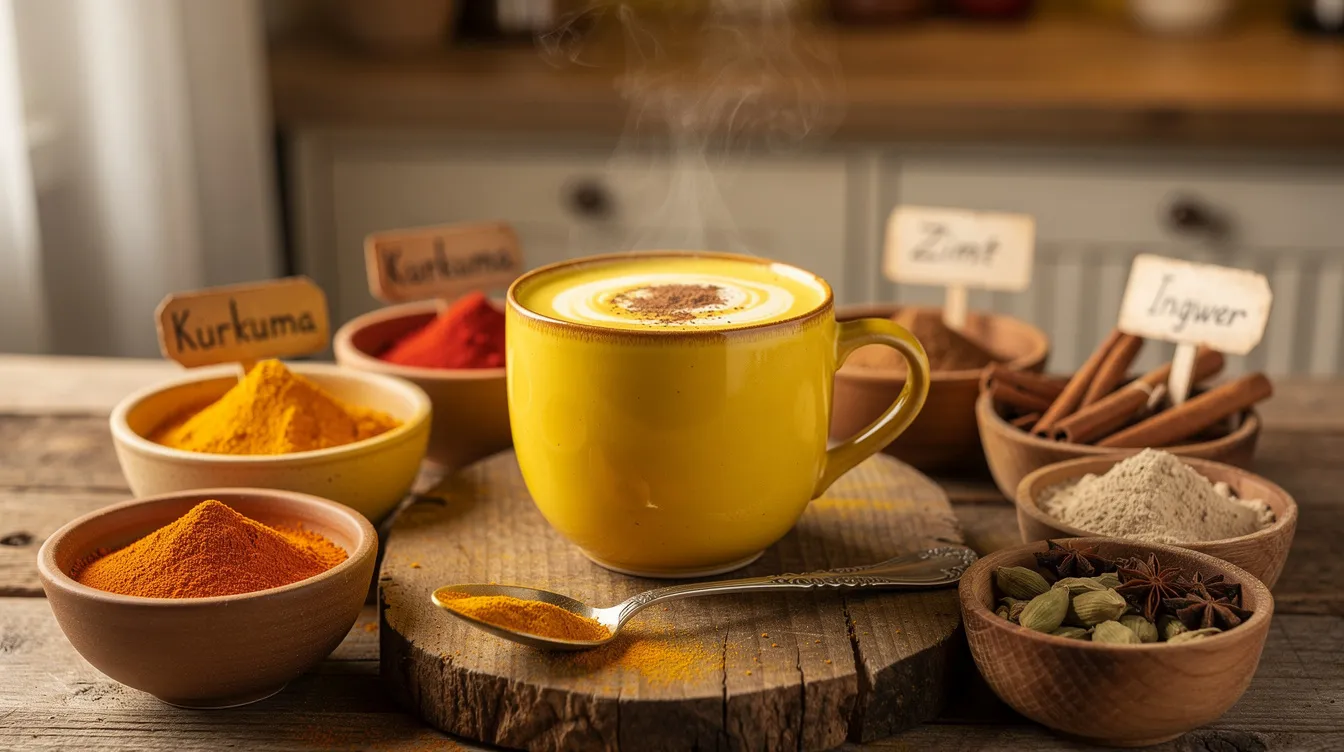
Moon milk: warm plant-based milk, 1 tsp of shatavari powder, a little cinnamon, optionally honey, in the evening as a ritual for relaxation and restful sleep.
Morning smoothie: banana, berries, oats, plant-based milk and half to one tsp of shatavari powder, which masks the slightly bitter taste.
Golden milk 2.0: turmeric, shatavari, ginger and pepper with ghee or plant oil, a soothing drink for the evening.
Sports context: the practical shatavari capsule in the evening on training-intensive days, combined with BCAA and glutamine to support regeneration.
All recipes can be adapted to taste and dietary style (vegan, lactose-free).
Conclusion: using shatavari's effects sensibly
Shatavari (Asparagus racemosus) is a medicinal plant used in Ayurveda for centuries, with a versatile profile ranging from the topics around menopause through digestion and the immune system to sleep and stress reduction. Modern studies deliver solid initial data above all for menopausal symptoms and the antioxidant, regeneration-supporting effect, while the evidence in other areas is still growing.
For health- and performance-oriented people, shatavari is an interesting supplement when quality, dosage and standardisation are right.
It is part of a holistic approach of training, nutrition, sleep and stress management, not a miracle cure.
Anyone who pays attention to a standardised extract and a clean capsule gets the most out of this age-old root.
Our recommendation: With SRI-81® Shatavari you get exactly that: 300 mg of standardised root extract per capsule (10% shatavarins), from the Ixoreal Biomed raw material, vegan and made in Germany. One capsule matches the study dose, and 60 capsules last for two months. That way you get the best out of shatavari.
Sources
[1] Mahajan et al. (2025): Standardised shatavari extract in perimenopause. International Journal of Women's Health. PubMed
[2] Ademola et al. (2025): Shatavari and ashwagandha for menopausal symptoms. Frontiers in Reproductive Health. PubMed
[3] Anders et al. (2020): Asparagus racemosus and resistance training. PMC
[4] Human study on sleep quality (Regensburg Insomnia Scale). PMC
[5] Ajgaonkar et al. (2025): Shatavari extract and lactation. Journal of Obstetrics and Gynaecology. PubMed
[6] Botanical classification Asparagaceae. PMC